AI Generated Image
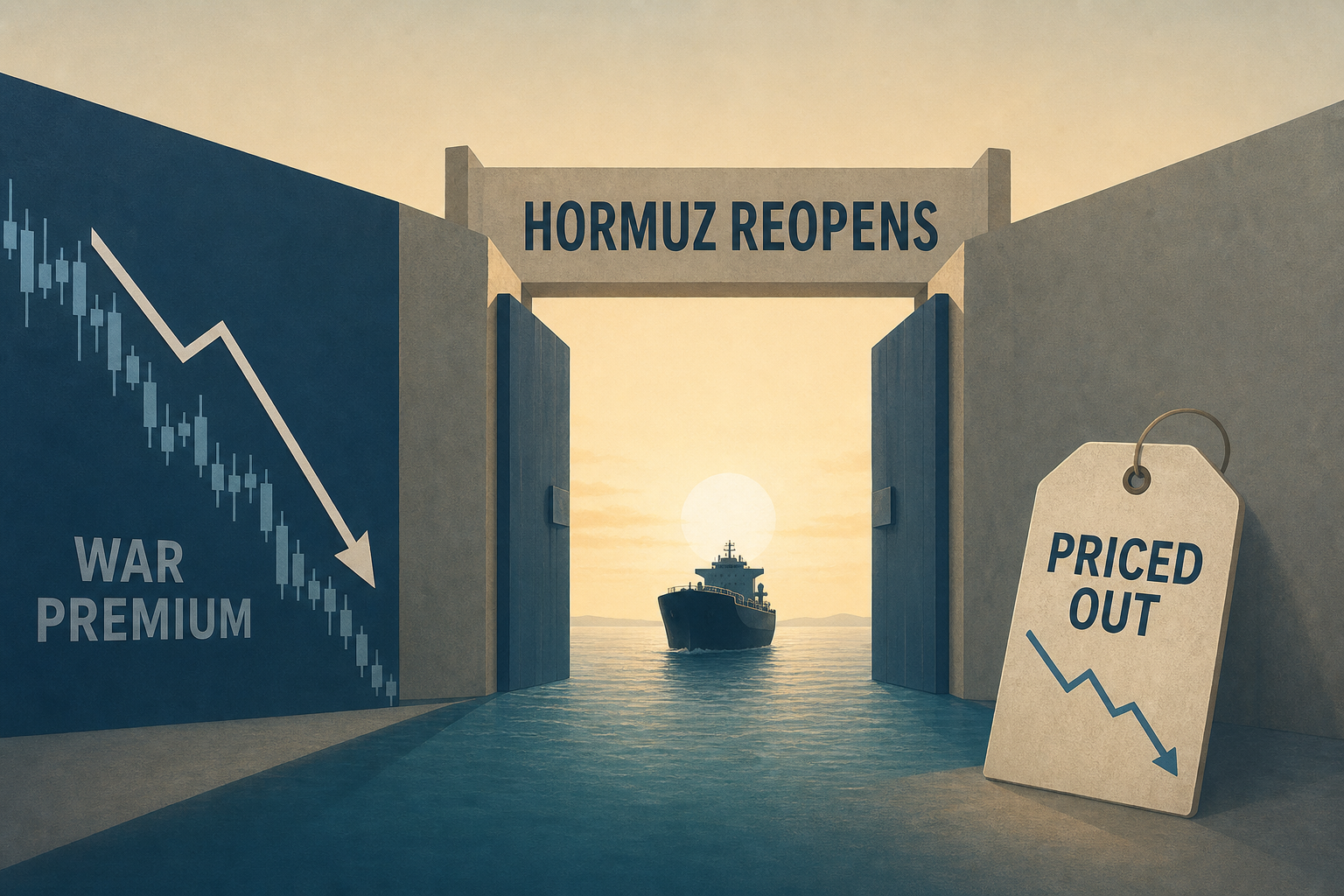
Hormuz Reopens as Traders Price Out the War Premium
Crude Oil Prices Today | OilPrice.com • • business
Key Points:
- The U.S.-Iran agreement to reopen the Strait of Hormuz and lift the maritime blockade has driven Brent crude prices below $80 per barrel, easing oil market tensions after months of conflict concerns.
- China’s crude refining activity has sharply declined by 9.1% year-over-year to 12.7 million b/d, with refinery runs at their lowest since April 2022 due to weak refining margins and export restrictions, signaling significant demand destruction.
- Major energy companies are advancing strategic moves: Venture Global seeks to expand its LNG terminal, Libya’s NOC finalizes deals with Repsol and ENI, Equinor doubles share buybacks, Chevron acquires a Greek offshore stake, and MOL pursues Serbia’s NIS acquisition.
- Despite the peace deal, President Trump ruled out U.S. investments in Iran for now, while the UAE floods Asian markets with spot crude, and U.S. Strategic Petroleum Reserve levels hit a 43-year low, complicating future supply management.
- Additional market pressures include Turkey’s resistance to extending the Kirkuk-Ceyhan pipeline deal, China’s coal production drop after a mining disaster, ongoing Australian LNG strikes impacting exports, and India raising export levies on diesel and jet fuel amid rising domestic demand.


