House passes aviation safety bill in response to deadly midair collision near D.C.
CBS News • • general
Key Points:
- The House passed the ALERT Act in a 396-10 vote, aiming to improve aviation safety by requiring all aircraft near busy airports, including military planes, to install collision-avoidance technology known as ADS-B In.
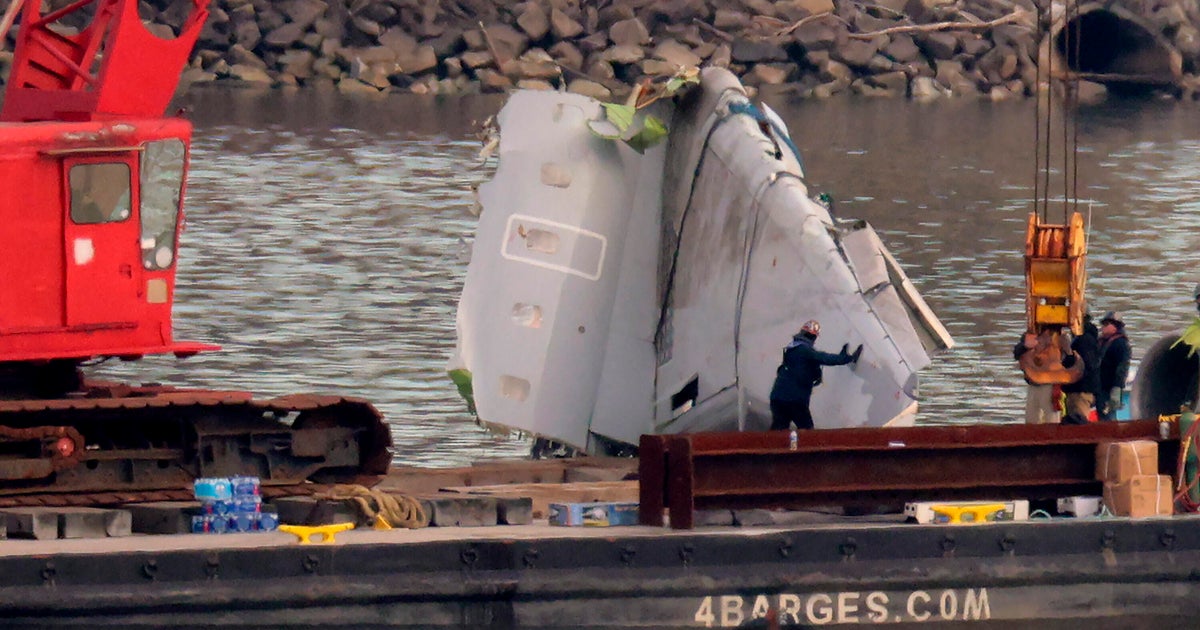
- The legislation responds to the January 2025 midair collision near Ronald Reagan Washington National Airport that killed 67 people and mandates military aircraft to install such technology by 2031, with some exceptions.
- The Senate previously rejected a similar bill, the ROTOR Act, by one vote after the Pentagon withdrew support due to budget and security concerns, while the ALERT Act also addresses helicopter route safety and air traffic control improvements.
- Despite amendments, the National Transportation Safety Board and victims' families argue the ALERT Act does not fully meet safety recommendations, citing concerns over the readiness and implementation timeline of collision-prevention technology.
- Senate Transportation Committee leaders and Senator Ted Cruz maintain that the ROTOR Act is a better solution, criticizing the ALERT Act for lacking clear requirements to ensure effective deployment of ADS-B technology.


