AI Image
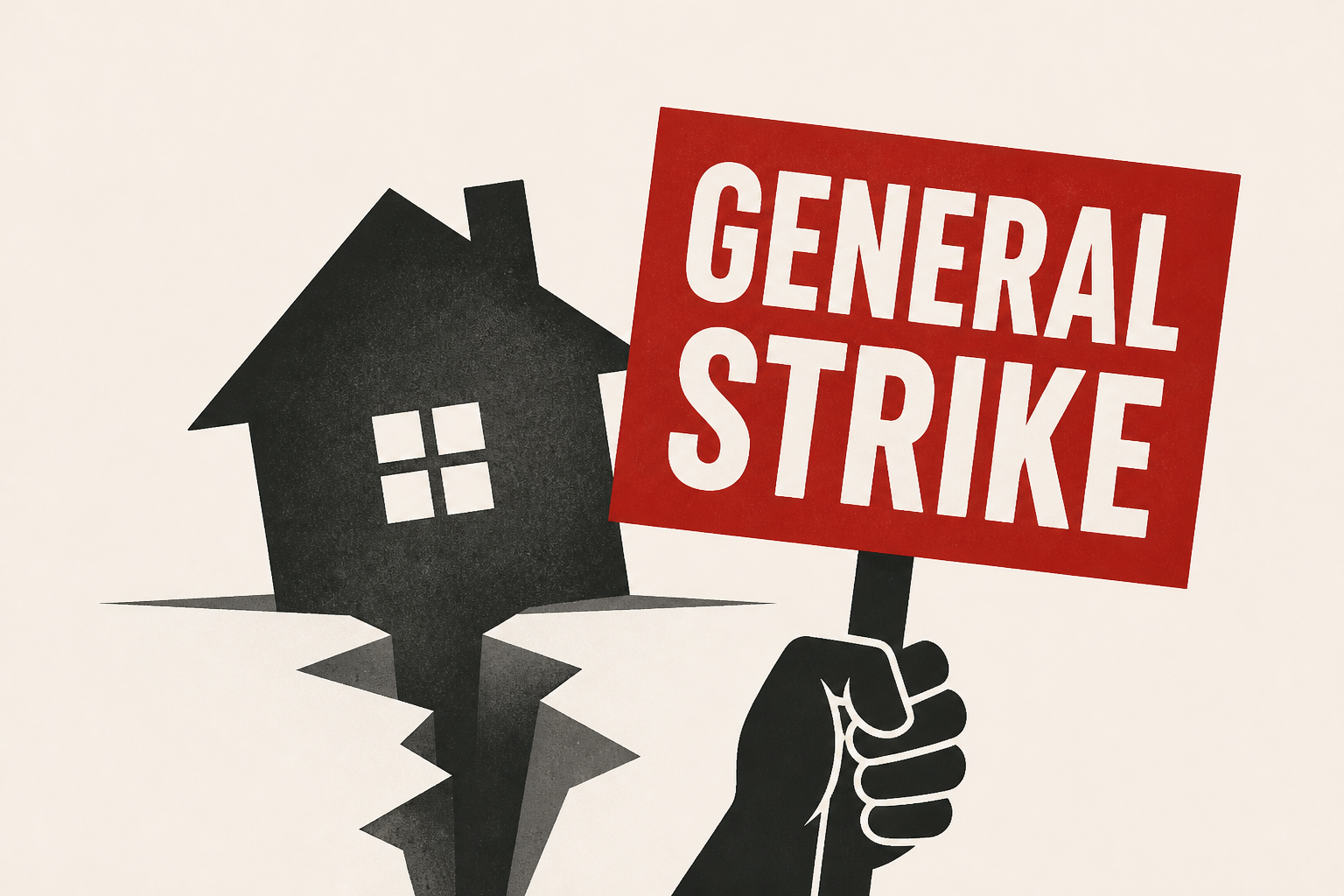
Housing crisis prompts general strike
DW.com • • general
Key Points:
- Despite heavy rain, approximately 120,000 people protested in Madrid and tens of thousands in Barcelona on Wednesday evening following Spain's first general strike in 14 years, focusing on demands for better salaries, affordable housing, and price controls.
- The strike highlighted Spain's severe housing crisis, with a deficit of around 750,000 homes expected to exceed one million by 2028, and average rents consuming nearly all of young people's salaries, fueling widespread public discontent.
- While most demonstrations remained peaceful, some protests in Barcelona turned violent with vandalism and clashes involving police, and in Madrid, police used pepper spray against strikers, resulting in multiple injuries.
- The left-wing government of Prime Minister Pedro Sanchez supported the strike as a fight for rights and linked it to opposition obstruction in parliament, while opposition leader Alberto Nunez Feijoo criticized this stance as an absurd politicization of the strike.
- The general strike coincided with other labor actions, including rail worker strikes over infrastructure safety, and comes ahead of snap elections on November 29, called by Sanchez amid legislative gridlock on housing reforms.


