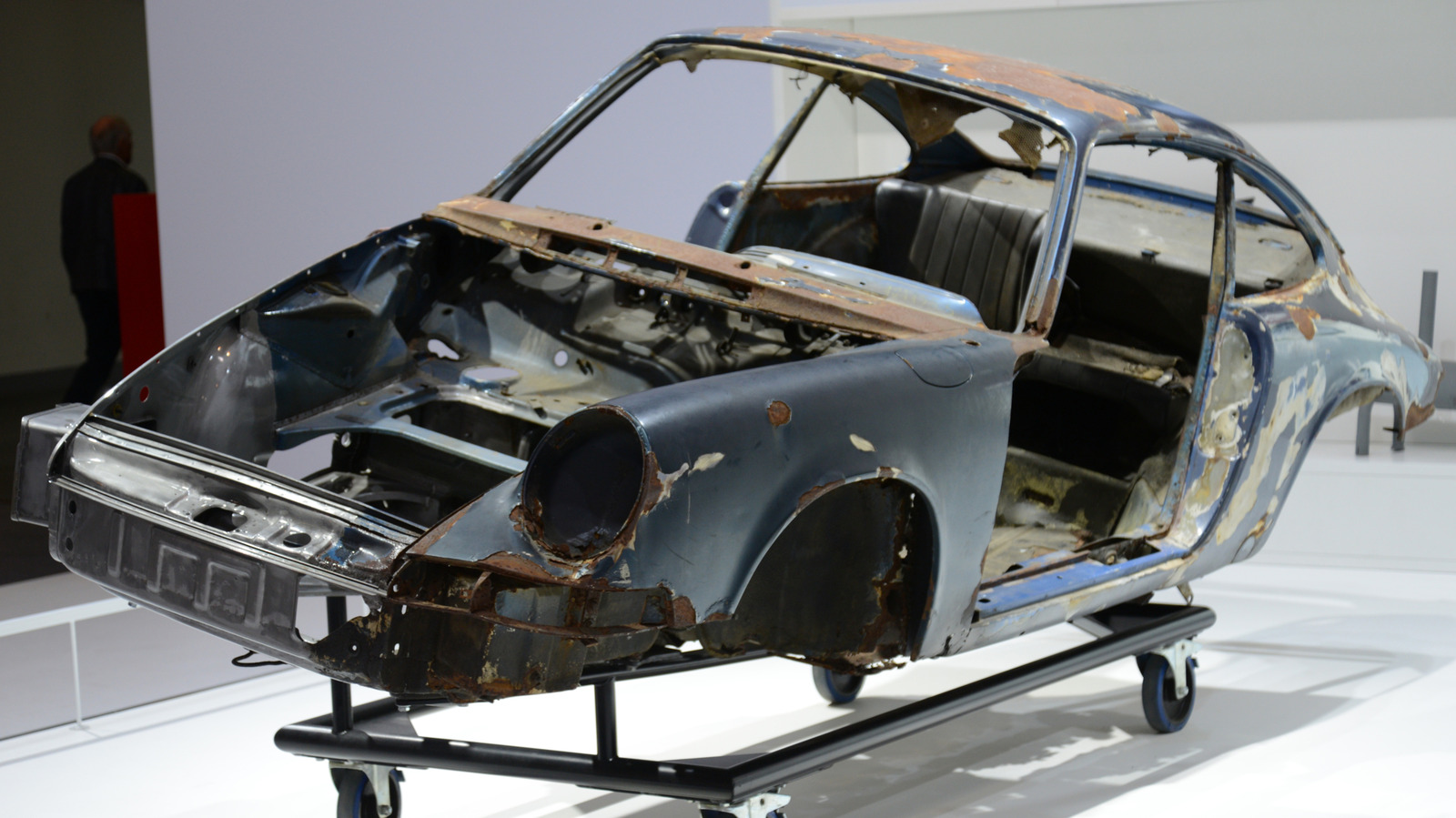
How Body-In-White 911s Birthed The Seven-Figure Porsche Restomod
Jalopnik • • technology
Key Points:
- The term "restomod" combines restoration and modification, referring to classic cars updated with modern features while preserving vintage aesthetics; however, Alois Ruf, Jr.'s approach with Porsche cars predates and differs from typical restomods by creating unique vehicles from Porsche bodies but with extensive custom engineering.
- RUF Automobile, founded in 1939 and officially recognized as a manufacturer in 1981, began producing cars with their own VINs by starting with Porsche bodies-in-white (BiW), enabling them to build high-performance custom Porsches like the 1987 RUF CTR "Yellowbird," which was the fastest production car of its time.
- The 1987 RUF CTR featured a 3.2-liter turbocharged flat-six engine producing 463 horsepower, significantly outperforming the contemporary Porsche 911 Turbo, and achieving top speeds of 211 mph, establishing RUF's reputation for groundbreaking Porsche tuning and engineering.
- Due to changes in Porsche's manufacturing, RUF shifted from using Porsche BiWs to building their own chassis and now offers fully bespoke models like the upcoming $1.7 million 2026 RUF Tribute, continuing their legacy of creating distinct, high-performance vehicles rooted in Porsche DNA but uniquely their own.
- Other notable Porsche restomod and tuning companies include Singer Vehicle Design, TechArt, Gemballa, Gunther Werks, Emory Motorsports, and Russell Built, each offering specialized reinterpretations of classic Porsche models, while Porsche itself provides customization through its Sonderwunsch program.


 { path { fill: %23EEEFE9 } })