How countries are tackling the global energy crisis
DW.com • • world
Key Points:
- The near-total closure of the Strait of Hormuz, through which 20% of the world's oil passes, has caused a global energy crisis with crude oil prices nearing $100 a barrel and emergency reserves being tapped.
- Countries are implementing various demand-cutting measures such as fuel rationing, working from home, and limiting air travel, with approaches differing widely based on local infrastructure and challenges.
- In Asia, fuel rationing systems include Sri Lanka's QR-code petrol limits and Myanmar's odd-even vehicle rationing, while Slovenia is the first EU country to ration fuel, highlighting a fragmented European response.
- The EU faces pressure to coordinate action to stabilize fuel markets, but member states like Germany are independently considering measures like price caps and discounts, while firmly rejecting a return to Russian gas.
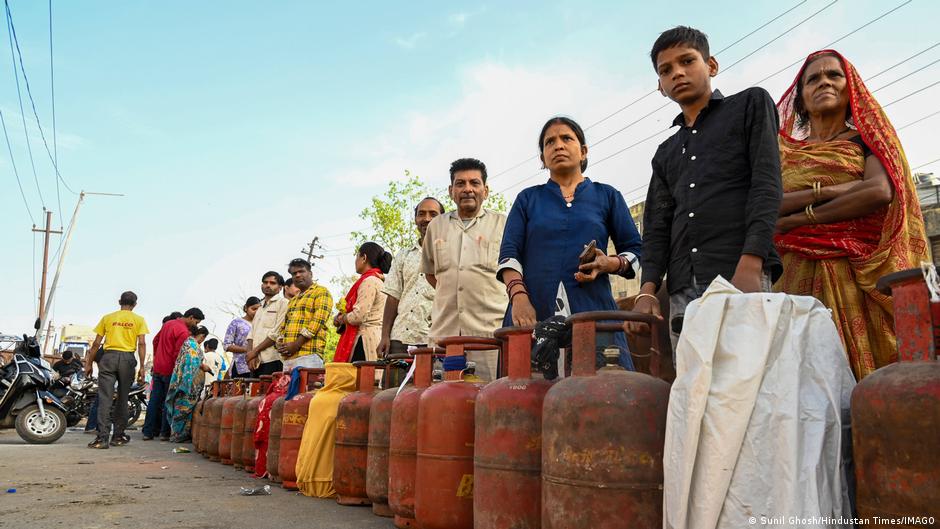
- Additional strategies include limiting business hours in Egypt, temperature controls in Bangladesh and Thailand, fuel export bans in Kenya, and shifting LPG use from transport to essential domestic needs, notably impacting countries like India.


.jpg%3Fwidth%3D1200%26height%3D630%26fit%3Dcrop%26enable%3Dupscale%26auto%3Dwebp?format=webp&w=120&h=80)


