AI Image
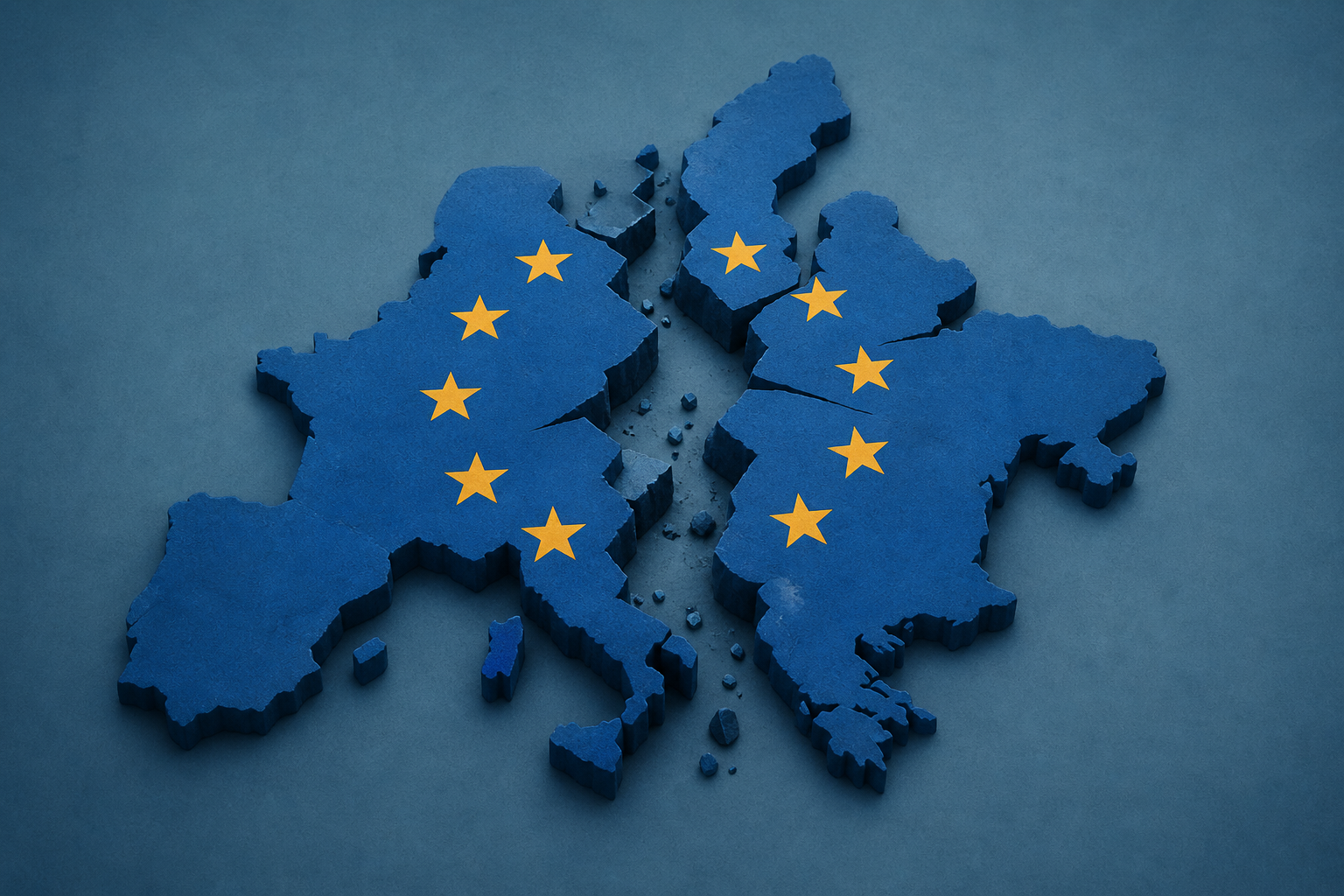
How Europe Comes Apart
Foreign Affairs • • world
Key Points:
- The European Union faces growing political instability marked by widespread protests over affordability, public services, and government trust, threatening its capacity to act and future cohesion without formal dissolution.
- The 2027 election cycle is critical, especially in France, Germany, Italy, and Poland, where far-right populist forces may gain power, potentially undermining EU integration, support for Ukraine, and collective security.
- In France, Marine Le Pen leads the polls to become the first far-right president since 1944, threatening EU unity by opposing budget contributions, aid to Ukraine, and the single market, which could stall EU strategic autonomy.
- Germany’s weak centrist government struggles with economic challenges and rising far-right AfD and far-left Die Linke parties, risking political paralysis and strained Franco-German relations essential for EU leadership.
- Poland and Italy face their own political uncertainties, with Poland potentially shifting toward a far-right coalition that could reduce support for Ukraine, and Italy's government possibly moving rightward, complicating EU consensus on defense, budget, and migration policies.


