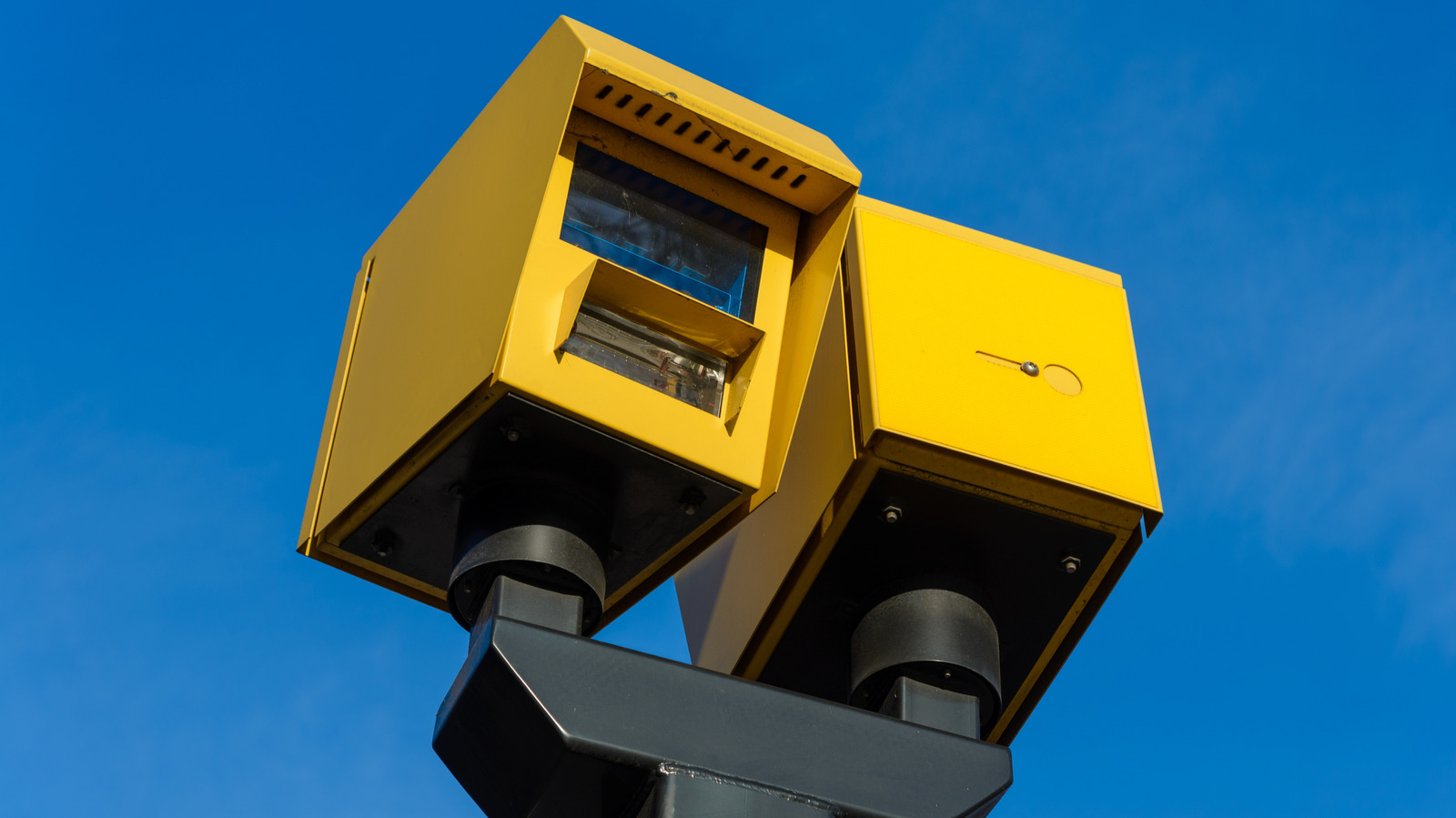
How Speed Cameras Measure Your Speed So Accurately
Jalopnik • • technology
Key Points:
- Speed cameras use the Doppler effect, similar to the changing pitch of a passing ambulance siren, to measure vehicle speed by detecting frequency shifts in reflected radar or laser signals.
- There are three main types of speed cameras: stationary (using radar or piezo-electric sensors), mobile (using precise lidar technology), and average-speed cameras that calculate speed over a distance by timestamping license plates at two points.
- Lidar-based mobile cameras are highly accurate, can target individual vehicles even in dense traffic from up to 1,000 feet, and give drivers very little reaction time before recording a violation.
- Speed cameras can produce errors due to radio frequency interference, weather conditions, or calibration issues, and regular calibration is essential to maintain accuracy, with some systems having an accuracy window of about ±0.62 mph.
- While speed cameras are generally reliable, over 40% of speed camera tickets in places like New York City are dismissed due to technicalities, highlighting the importance of understanding how these systems work if contesting a ticket.


