AI Image
How the US midterm elections reflected resistance to data centres
Al Jazeera • • general
Key Points:
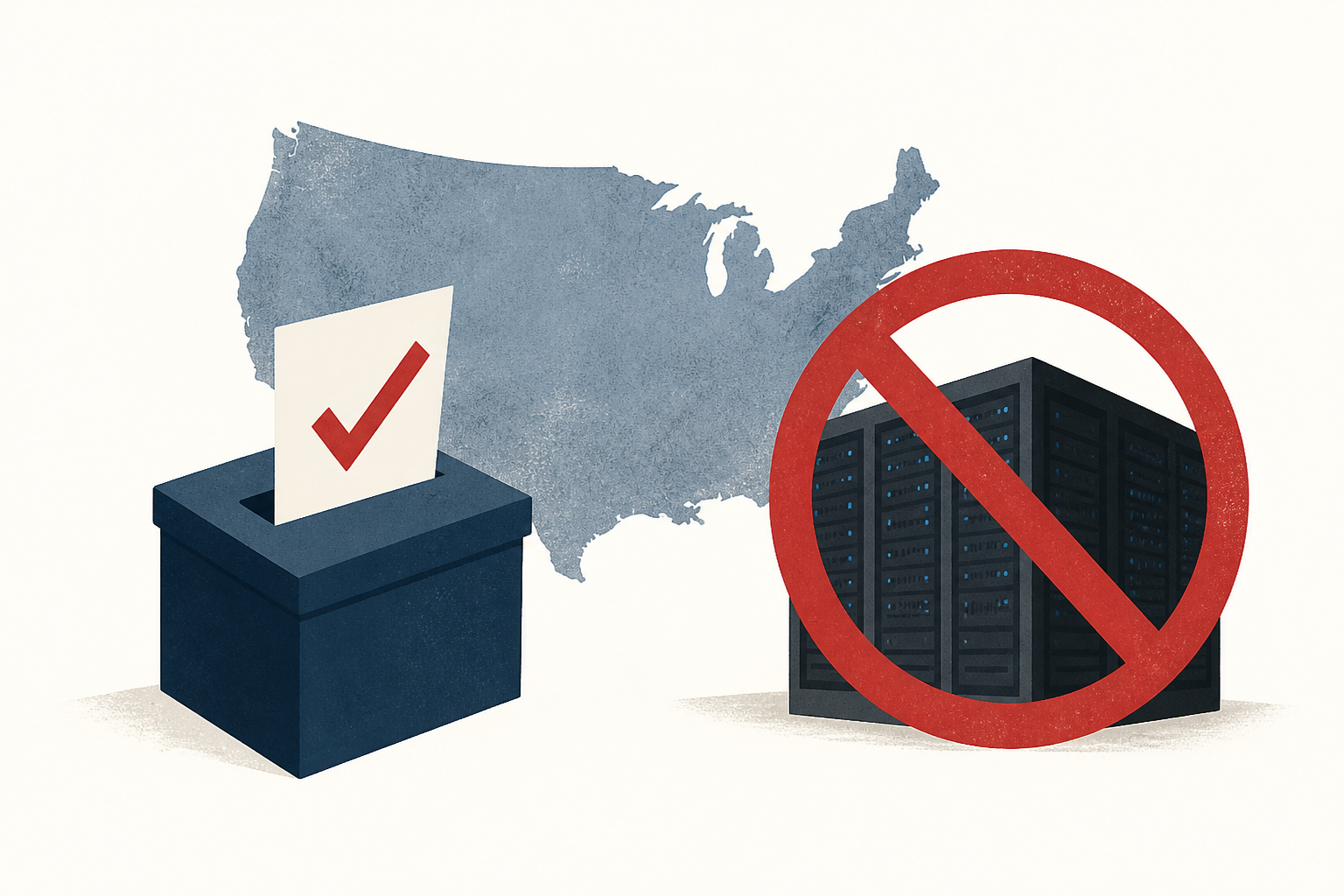
- In the 2026 US midterm elections, voters overwhelmingly rejected data centre development limits in 40 out of 41 ballot measures, reflecting bipartisan concerns over energy costs and job stability linked to the AI-driven data centre construction boom.
- The rapid growth of data centres, fueled by AI industry expansion, has raised fears about increased electricity and water consumption, contributing to higher local energy bills and environmental strain, particularly in drought-affected areas like Corpus Christi, Texas.
- Several successful Democratic candidates, including Sherrod Brown in Ohio and Gina Hinojosa in Texas, campaigned on platforms advocating stricter data centre regulations or moratoriums, signaling growing political momentum against unchecked AI infrastructure growth.
- With Democrats likely controlling Congress, increased regulatory scrutiny and oversight of AI and data centres are expected, as lawmakers prioritize addressing AI risks and infrastructure impacts through investigations and potential legislation.
- In response to voter backlash and political shifts, tech companies like OpenAI have proposed responsible AI infrastructure standards, while AI-related stocks, including Nvidia, have experienced significant market volatility amid growing concerns about tighter industry regulation.


