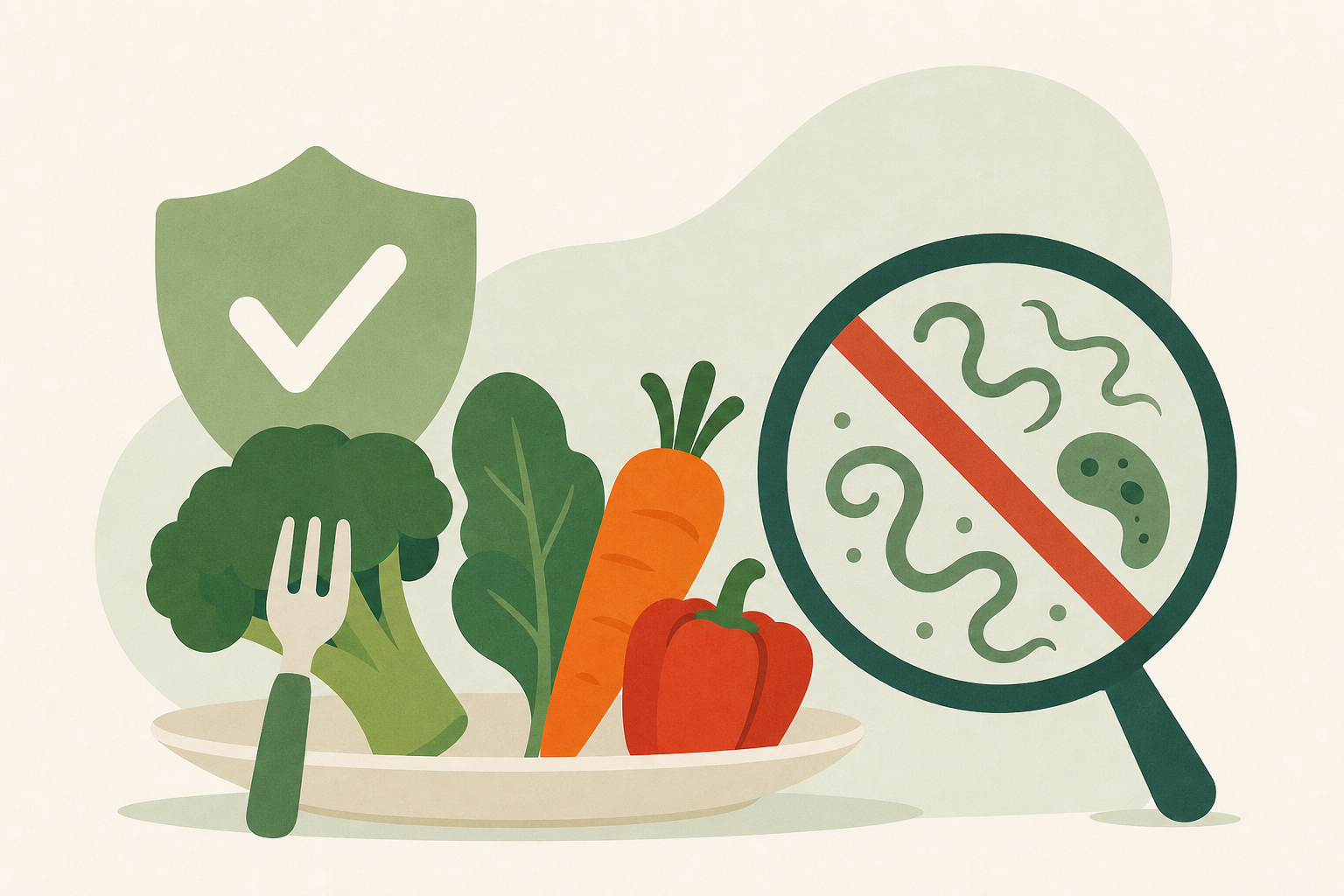
AI Generated Image
How to get kids to eat veggies amid the parasite outbreak
CNN • • health
Key Points:
- A recent BMJ Global Health study analyzing dietary surveys from 185 countries found that children worldwide are not eating enough fruits, vegetables, legumes, nuts, seeds, and starchy vegetables, with only limited improvement over nearly three decades.
- In the US, fruit and vegetable intake is highest among babies and toddlers but declines significantly during childhood and adolescence, influenced by factors such as increased exposure to unhealthy foods and marketing.
- Fruits and vegetables are essential for children's growth, development, and establishing lifelong healthy eating habits that reduce the risk of chronic diseases; picky eating is normal and can be addressed by repeated, pressure-free exposure and family involvement.
- All forms of fruits and vegetables—fresh, frozen, and canned—can be nutritious choices, but fruit juice should be limited, especially for young children, and parents should check labels for added sugars or sodium.
- Despite a multistate cyclospora outbreak linked to fresh produce, experts advise continuing to eat fruits and vegetables while practicing safe food handling, as the health benefits outweigh the risks; those at higher risk may consider cooked vegetables during outbreaks.


