How To Make Vegetables More Nutritious In 1 Simple Step
HuffPost • • health
Key Points:
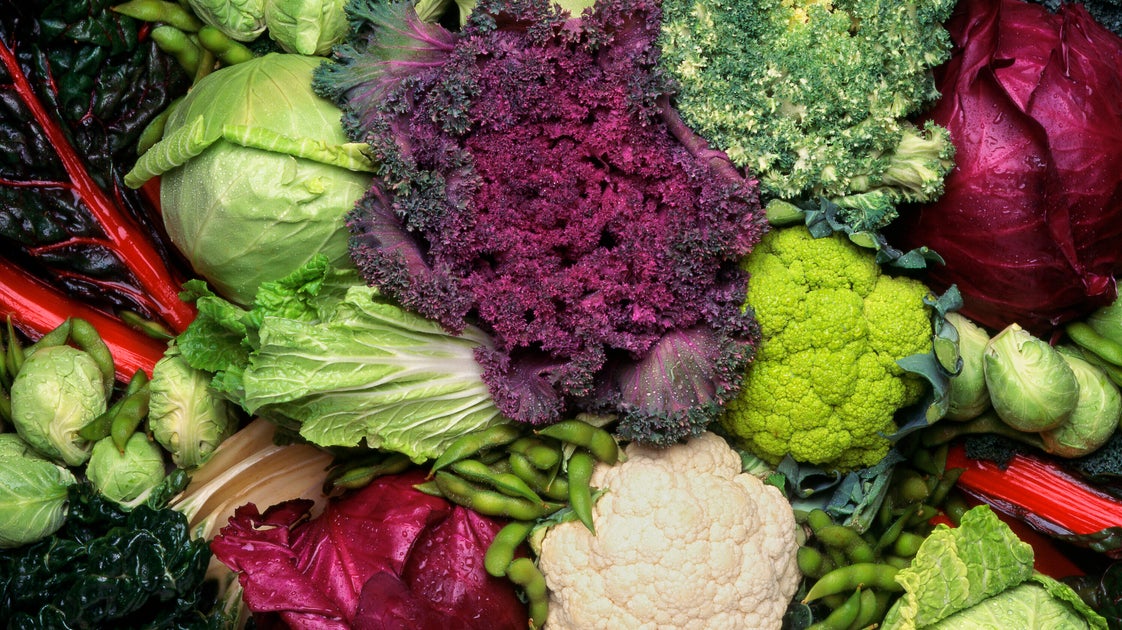
- Sulforaphane, a sulfur-rich compound found in cruciferous vegetables like broccoli, cabbage, and kale, has potential health benefits including reducing inflammation, oxidative stress, and supporting metabolic and heart health.
- Sulforaphane is formed when the enzyme myrosinase converts glucoraphanin after the vegetables are chopped or crushed, so chopping and letting the vegetables sit for 30-40 minutes before cooking enhances sulforaphane production.
- Cooking methods greatly affect sulforaphane levels; high heat, long boiling, or pressure cooking destroy the enzyme, while light steaming, quick stir-frying, or eating raw preserves it best.
- Frozen, canned, or pre-chopped cruciferous vegetables may have reduced sulforaphane due to processing, but still provide fiber and other nutrients.
- While sulforaphane contributes to cellular protection and metabolic regulation, its benefits are cumulative and subtle, and should be part of a balanced diet rich in vegetables and whole foods for meaningful long-term health effects.


.jpg%3Fwidth%3D1200%26height%3D630%26fit%3Dcrop%26enable%3Dupscale%26auto%3Dwebp?format=webp&w=120&h=80)


