How US Allies Got Revenge After 70 Years
Newsweek • • world
Key Points:
- President Trump is urging NATO allies to assist in securing the Strait of Hormuz amid escalating tensions with Iran, but European countries like the UK, France, and Germany have shown reluctance due to legal concerns and fears of escalating conflict.
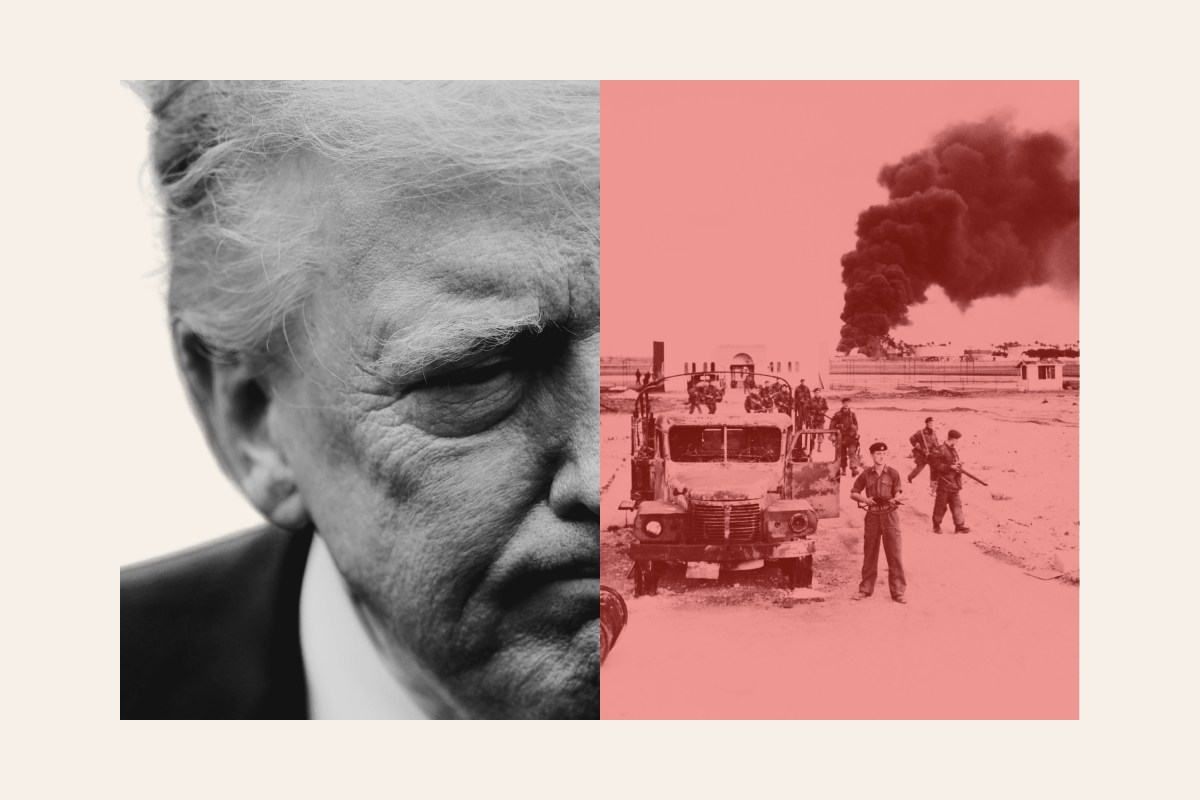
- This dynamic reverses the 1956 Suez Crisis scenario, where Britain and France expected U.S. support but were rebuffed; today, the U.S. leads calls for action while Europe hesitates, highlighting shifting transatlantic power relations.
- The 2015 Iran nuclear deal (JCPOA) remains a point of contention, with Europe favoring diplomatic constraints and the U.S. under Trump pursuing maximum pressure and military deterrence, deepening mistrust between allies.
- While the U.S. has the military capability to act independently in the Persian Gulf, it seeks European participation to share operational burdens, enhance legitimacy, and signal a multinational effort rather than a unilateral U.S. campaign.
- The current crisis underscores the fragility of alliances when interests diverge, reminding that U.S. power, though formidable, is less effective without allied support, and that European caution is influenced by past experiences with U.S.-led interventions.


