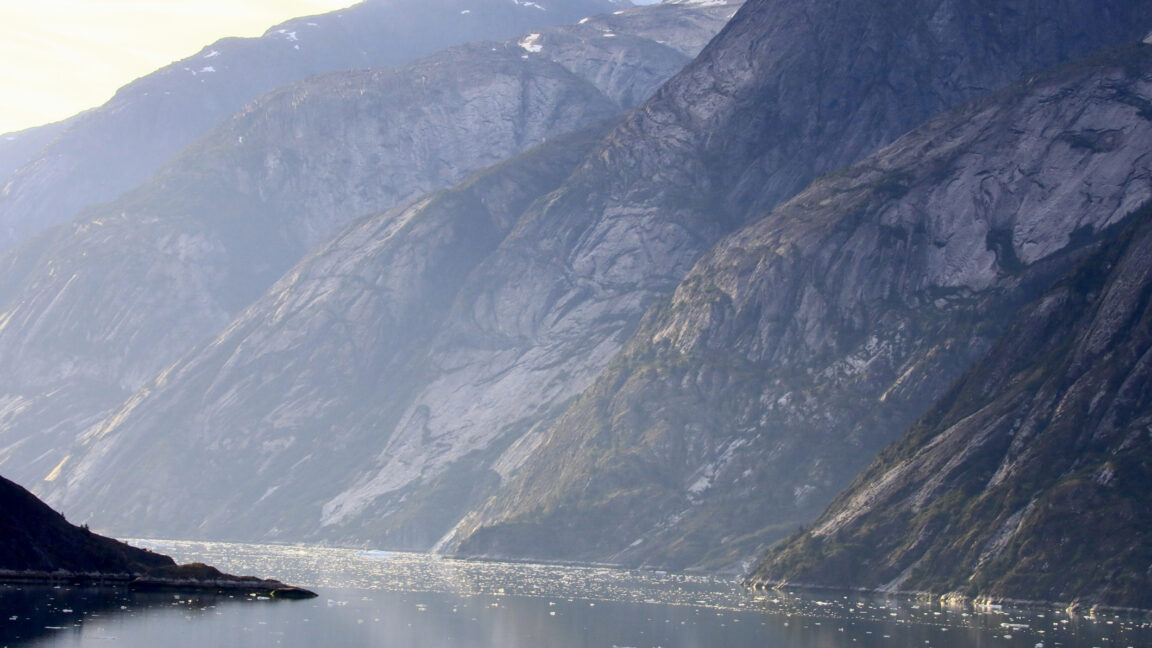
Huge landslide created a 500-meter-high tsunami in a major tourist area
Ars Technica • • nation
Key Points:
- On August 10, 2025, a massive rockslide of at least 63.5 million cubic meters fell into Alaska’s Tracy Arm fjord, generating a 100-meter-high tsunami wave that surged up to 481 meters above sea level, marking the second highest tsunami ever recorded.
- The rockslide was triggered by the retreat and thinning of the South Sawyer Glacier due to a 1.1°C rise in regional summertime temperatures since 1875, which destabilized the mountain slope previously supported by the glacier ice.
- Seismic monitoring detected increasing microearthquakes days before the event, indicating internal rock movement, with seismic energy equivalent to a magnitude 5.4 earthquake recorded globally upon impact.
- Despite occurring early in the morning and causing no injuries, the tsunami posed a serious threat to the many tourists and cruise ships that frequent Tracy Arm, highlighting the potential for future catastrophic disasters as climate change accelerates glacier retreat and slope instability.
- Researchers emphasize the need for early-warning systems based on seismic precursors to predict similar landslide megatsunamis worldwide, aiming to inform policymakers and improve hazard preparedness in vulnerable regions.


