AI Image
Human brain is actually two separate organs, scientists find
The Independent • • science
Key Points:
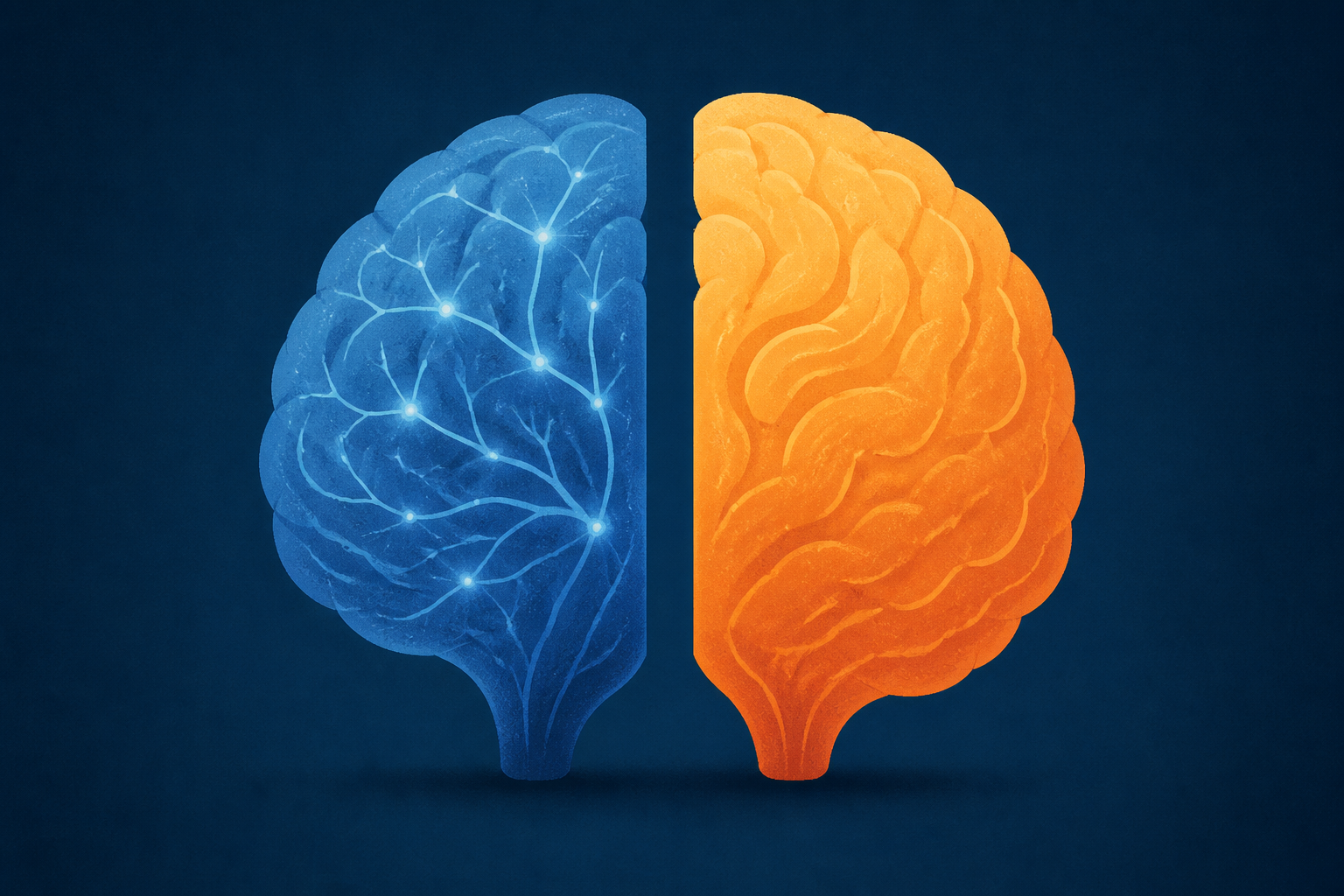
- New research from Stanford University reveals that the human brain consists of two separate systems—the front and back brain—that evolved independently before fusing together, challenging the previous belief that the brain developed from a single parent cell.
- The study identified two distinct cell groups during embryonic gastrulation, each genetically programmed to form either the front or back of the brain, with these pathways remaining separate throughout development.
- This dual-system brain structure, also found in acorn worms, suggests an evolutionary origin dating back over 500 million years, reflecting a design where the hindbrain manages automatic survival functions and the forebrain handles complex cognitive tasks.
- The breakthrough enabled scientists to successfully generate functional hindbrain motor neurons from human stem cells in the lab for the first time, a development expected to accelerate research into neurodegenerative diseases like ALS and spinal muscular atrophy.
- Researchers hope this discovery will pave the way for regenerative therapies targeting motor neuron diseases, potentially improving treatment options for patients suffering from fatal neurological conditions.


