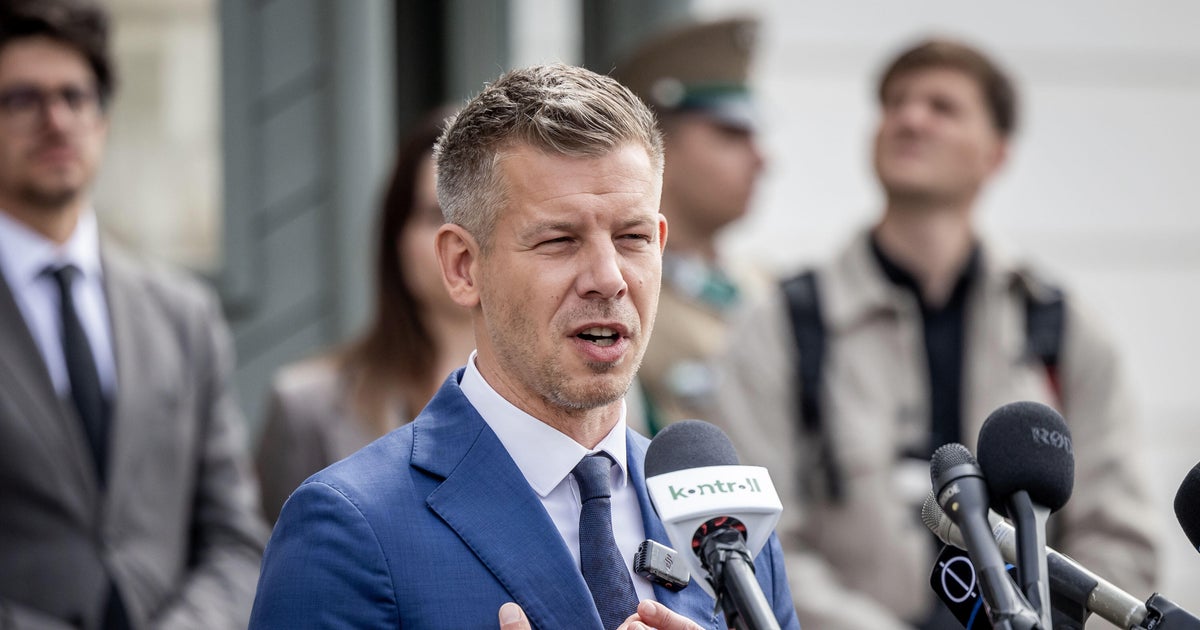
Hungary's new leader has vowed to wean his country off Russian energy. It will be a painful transition.
CBS News • • general
Key Points:
- Peter Magyar defeated Hungary's longtime leader Viktor Orbán, with supporters demanding a reduction of Russian influence in Hungary, which Magyar has pledged to pursue.
- Hungary's heavy reliance on Russian energy—oil via the Druzhba pipeline, natural gas from Gazprom, and nuclear fuel from Rosatom—poses a significant challenge for Magyar's plan to reduce dependence on Russia.
- Alternatives exist, such as the Adria pipeline for oil and increased use of the European energy grid for gas, but these options come with higher financial costs and technical difficulties.
- Magyar aims to cut Russian natural gas imports by 2035, later than the EU's 2027 target, and is expected to negotiate with the EU for financial support to manage the transition.
- Despite the complexities, experts are cautiously optimistic that Hungary may gradually realign its energy sources away from Russia, balancing economic realities with political principles.


