AI Image
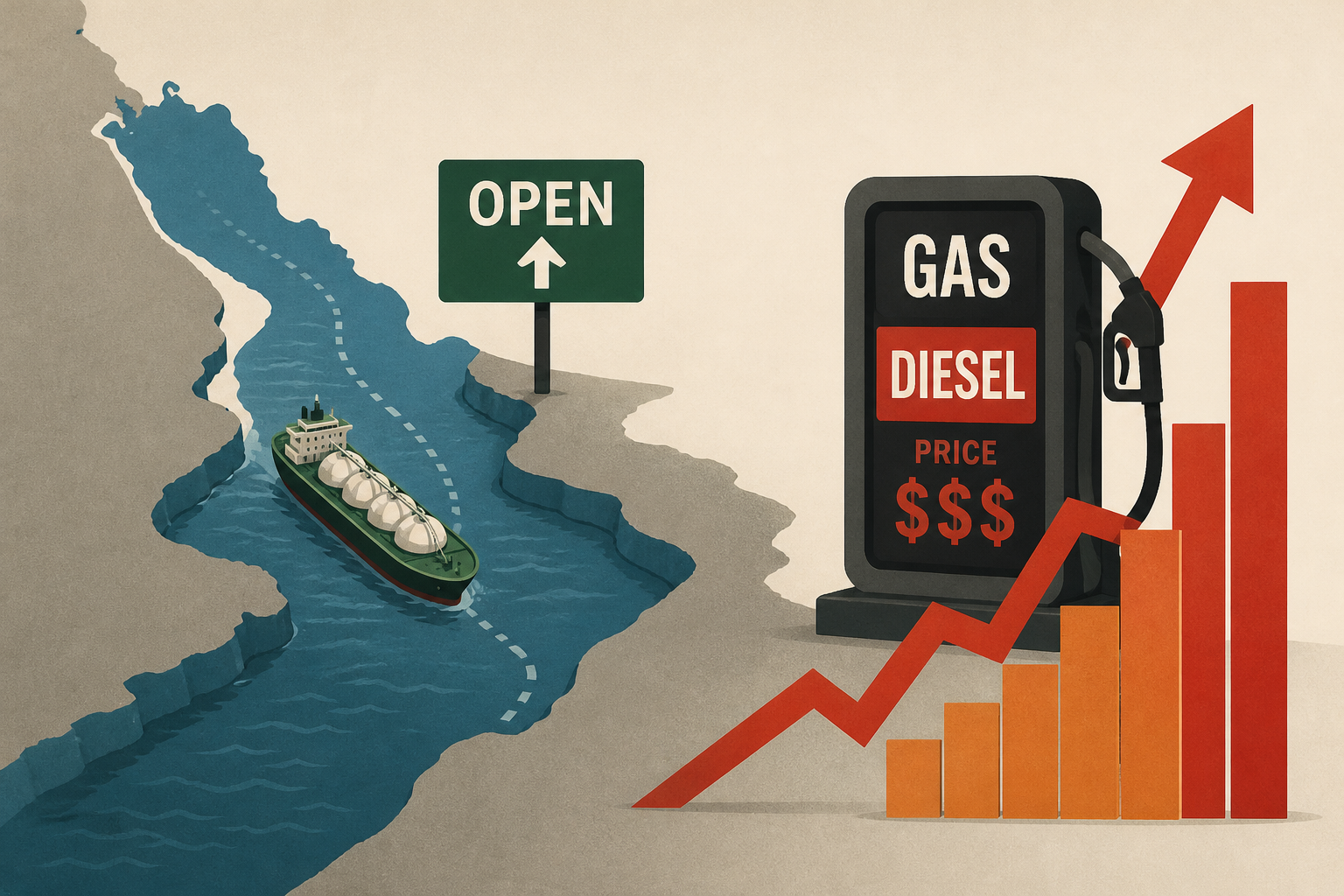
If the Strait of Hormuz is open, why are gas and diesel so expensive?
CNN • • business
Key Points:
- Despite the Strait of Hormuz no longer being blocked, global fuel prices remain extremely high due to ongoing conflicts and disruptions in key oil supply routes.
- The cost of transporting crude oil has skyrocketed, with daily tanker hire rates rising from $65,000 last year to $1.6 million now, driven by security risks and war-related dangers in the region.
- Additional expenses such as increased insurance premiums and high payments to sailors willing to navigate war zones are further inflating the cost of oil transportation, contributing to higher consumer fuel prices.
- Multiple simultaneous conflicts—including the US-Iran tensions, Houthi attacks in Yemen, and Ukrainian strikes on Russian refineries—are severely disrupting global energy supplies and limiting refinery outputs worldwide.
- Depleted global oil inventories have reduced the buffer against supply shocks, intensifying price volatility and keeping fuel costs elevated despite the resumption of oil flow through the Strait of Hormuz.


