AI Generated Image
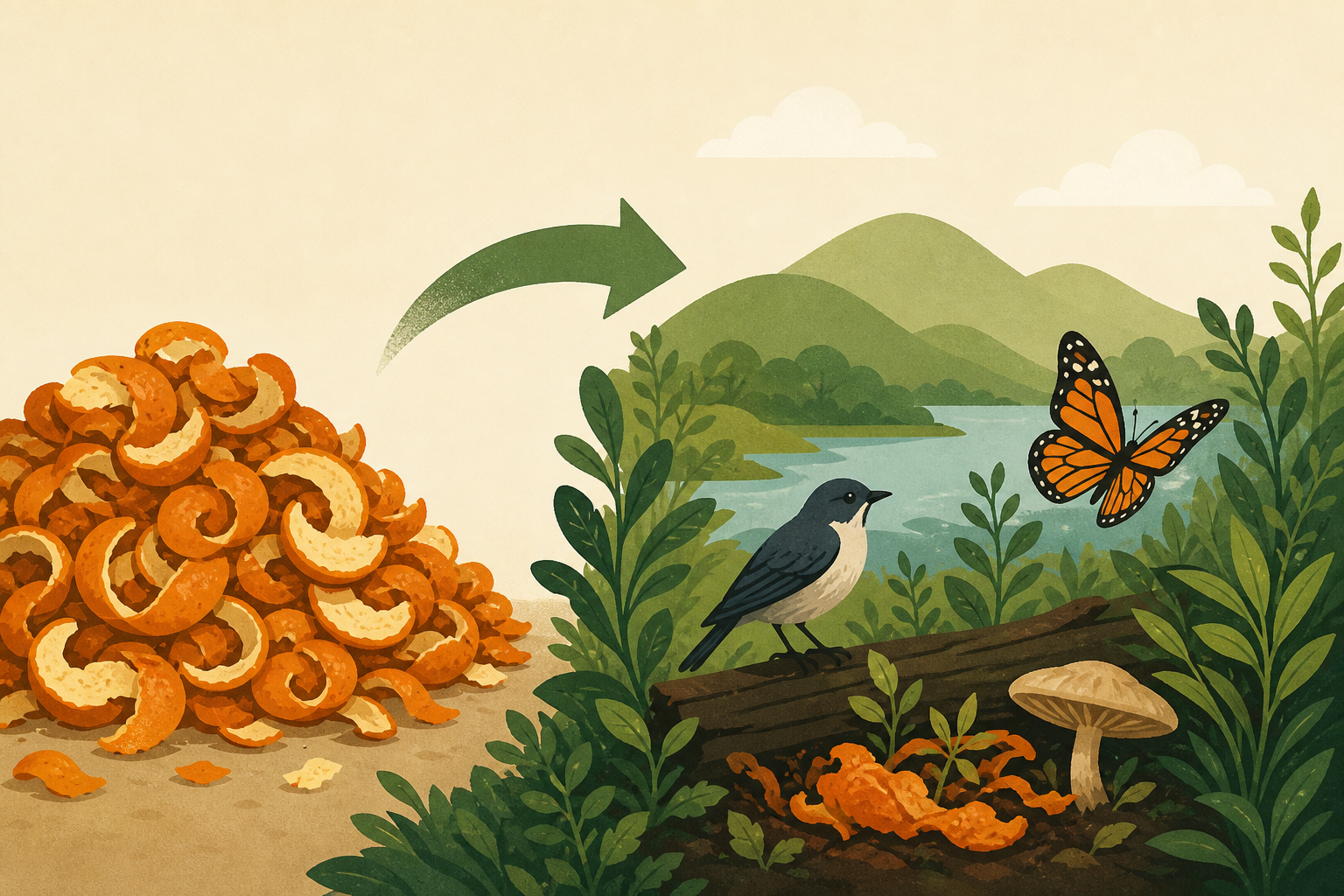
In 1997, they dumped 12,000 tons of orange peels in a national park: Three decades later it has created a thriving ecosystem teeming with life
Diario AS • • world
Key Points:
- In 1997, ecologists Daniel Janzen and Winnie Hallwachs initiated a restoration project in Costa Rica by partnering with a juice company to deposit orange peel and pulp waste on deforested pasture land near Área de Conservación Guanacaste.
- From 1998, over 12,000 metric tons of orange compost were dumped, resulting in a dramatic transformation of the barren land into a lush ecosystem with two dozen plant species, compared to only one species in surrounding areas.
- The study published in Restoration Ecology reported a 176% increase in aboveground biomass within the 3-hectare site, along with sightings of diverse wildlife such as tayras and large fig trees.
- Researchers aim to use these findings to improve waste management practices, emphasizing the need for scientific oversight and collaboration between restorationists and companies to ensure environmentally beneficial outcomes.


