AI Generated Image
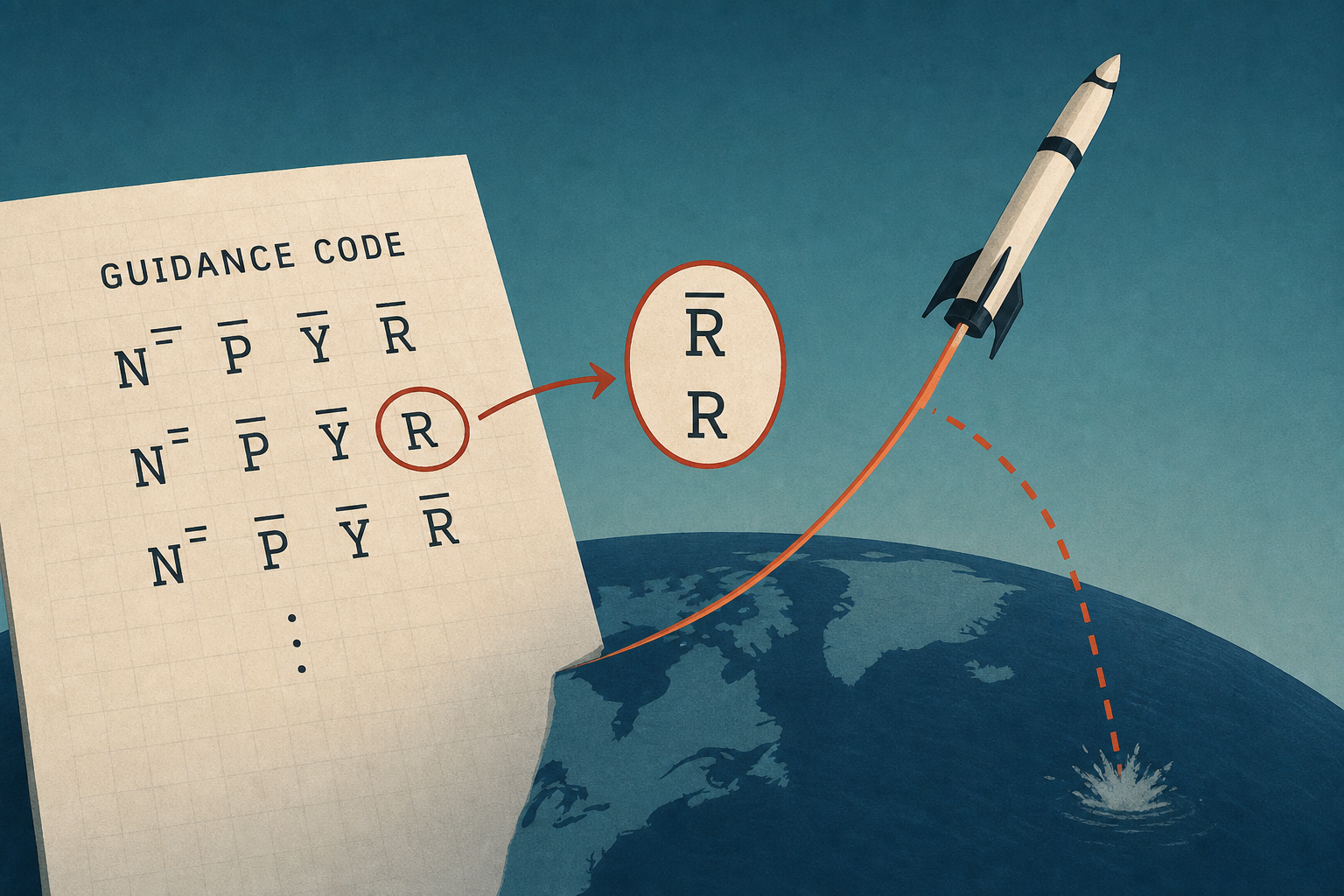
In July 1962, a NASA engineer transcribing the Mariner 1 guidance code missed a single overbar above the letter R, and 293 seconds after launch the rocket veered off course over the Atlantic and had t
Space Daily • • science
Key Points:
- On July 22, 1962, NASA's Mariner 1 spacecraft was destroyed 293 seconds after launch due to a missing symbol—a small punctuation mark or overbar—in its guidance code, causing the rocket to deviate from its trajectory and be intentionally destroyed over the Atlantic.
- The missing overbar in the guidance equations led the rocket to react to raw, unsmoothed radar data, resulting in erratic course corrections; this single typographical error caused the loss of a mission costing approximately $190 million in today's dollars.
- The failure highlighted the critical importance of accurate code transcription and verification, prompting NASA to implement rigorous review procedures for software and mathematical code translations in future missions.
- Mariner 2, the backup spacecraft, launched five weeks later and successfully flew past Venus, providing the first data from another planet and confirming Venus's extremely hot surface conditions.
- The phrase "the most expensive hyphen in history," coined by Arthur C. Clarke, endures as a cautionary tale in software engineering about the profound impact of minor errors in code on complex systems.


