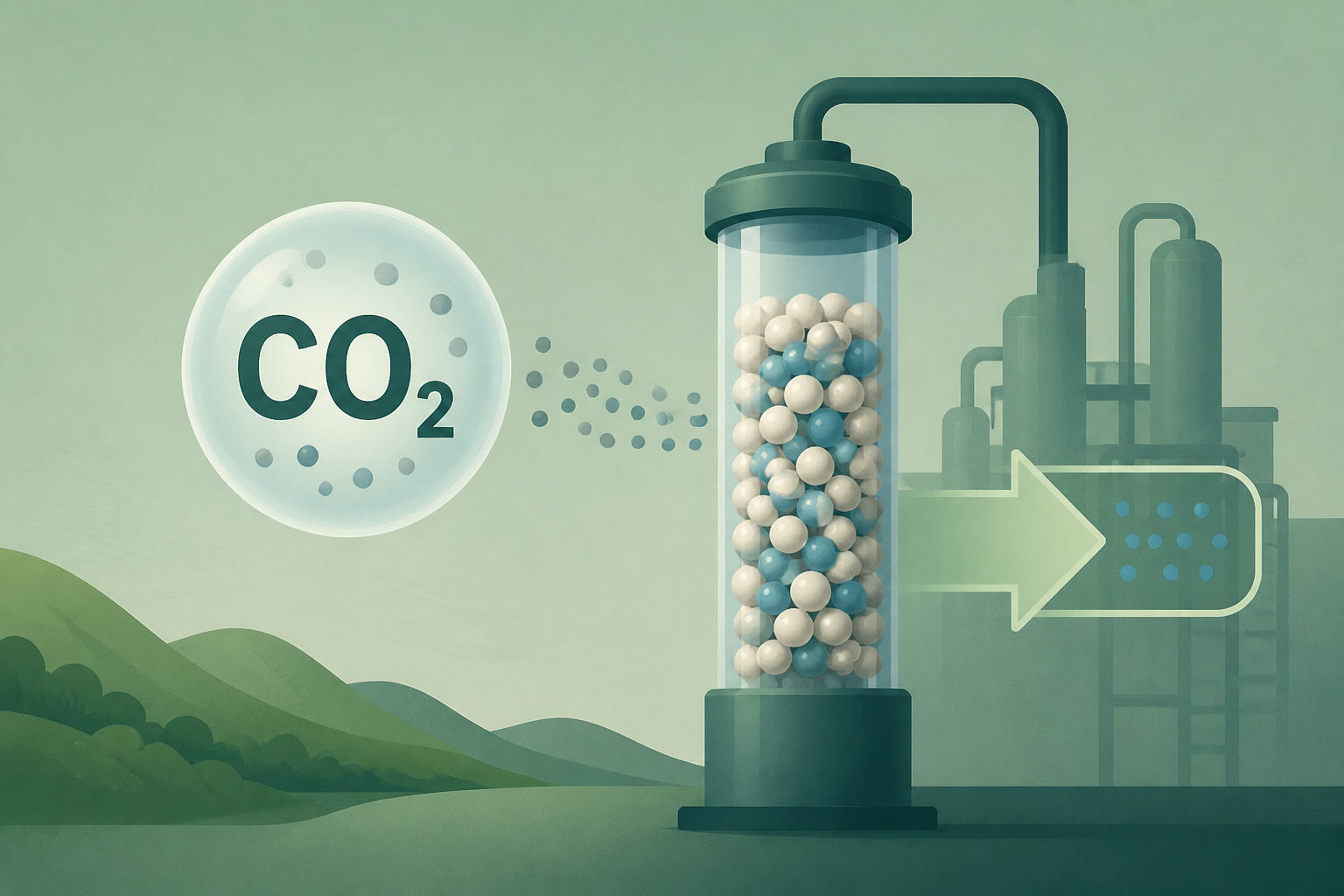
AI Generated Image
Industrializing reactive capture of CO2
Nature • • science
Key Points:
- Recent advances in carbon capture and conversion technologies focus on integrating CO2 capture with electrochemical conversion to produce sustainable fuels, highlighting materials like solid oxide electrolysis cells (SOECs) and amine-based solvents.
- Studies emphasize the techno-economic feasibility and scalability of various CO2 electrolysis methods, including direct reduction of captured CO2 in reactive carbon solutions and bicarbonate electrolytes, with attention to energy efficiency and impurity resistance.
- Research highlights challenges such as catalyst stability, corrosion, and detrimental effects of common amine-based capture agents on electrochemical CO2 reduction, driving the development of novel catalysts and electrode designs to improve performance.
- Bipolar membrane technology plays a critical role in enhancing water dissociation and enabling efficient CO2 electrolysis, with ongoing work addressing membrane physics, voltage-driven catalysis, and integration into carbon management processes.
- Economic analyses underline the importance of optimizing both capture and conversion steps, with integrated systems showing promise for reducing costs and emissions, supporting the transition towards carbon-neutral fuels and chemicals.


