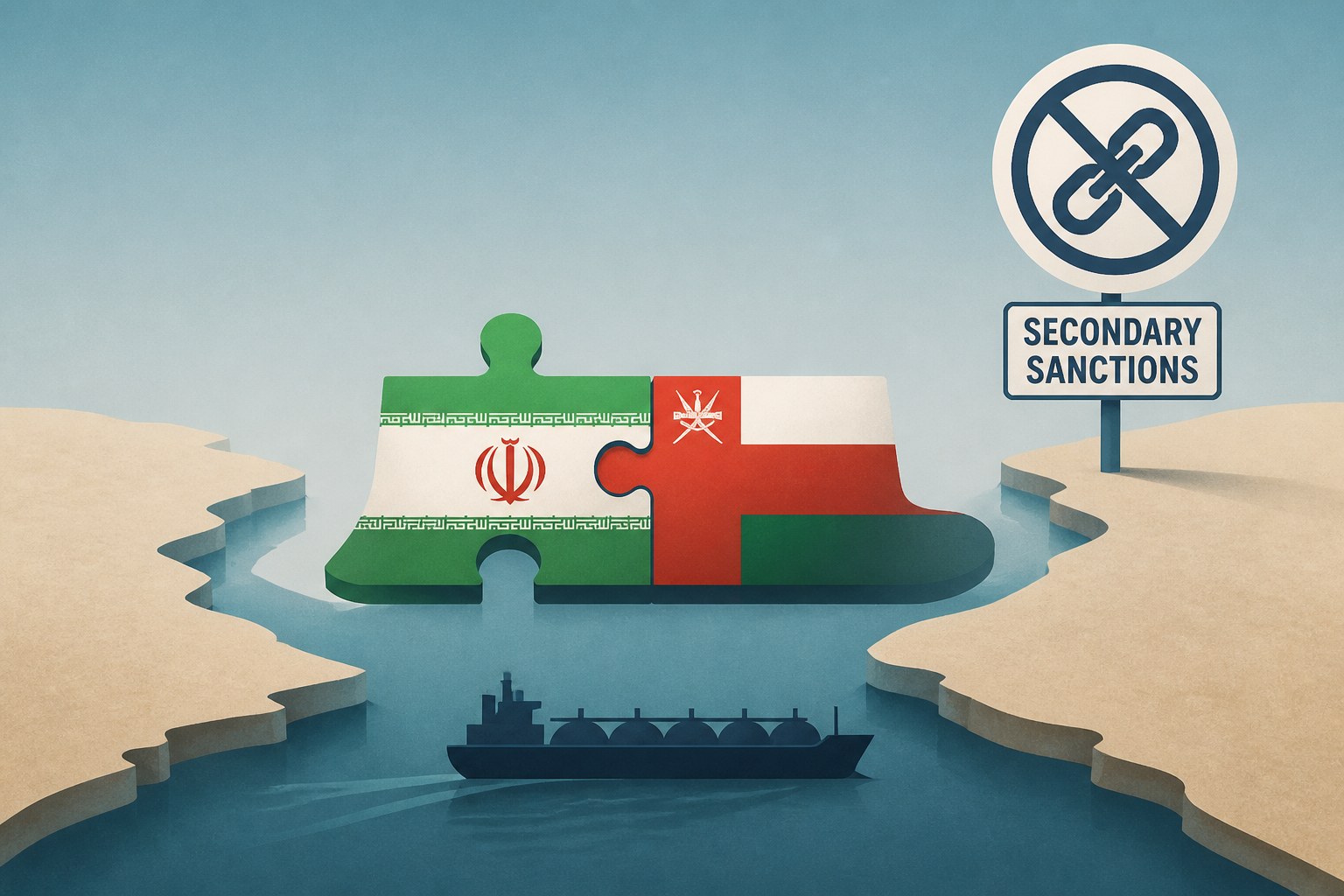
AI Generated Image
Iran and Oman prep Hormuz deal, U.S. holds off on secondary sanctions
CNBC • • world
Key Points:
- Iran and Oman are nearing an agreement to establish a joint temporary navigational corridor and mine-clearing project in the Strait of Hormuz, aiming to ensure safe transit and future administration of this critical maritime route.
- The announcement led to a drop in oil prices, with Brent Crude falling below $90 per barrel, amid reduced vessel traffic through the Strait and ongoing geopolitical tensions.
- The U.S. has begun returning diplomats to Gulf states, signaling a reduced expectation of military escalation, while reports suggest a possible upcoming U.S.-Iran ceasefire agreement to guarantee freedom of shipping in the Strait, though this remains unconfirmed.
- Despite escalating economic sanctions targeting Iran's network, including individuals and entities, the U.S. has refrained from imposing broader secondary sanctions on key trading partners like Chinese financial firms involved in Iran's oil trade.
- In response, China, which imports about 90% of Iran's oil, warned it would take necessary measures to protect its interests if the U.S. expands economic pressure on nations trading with Tehran.


