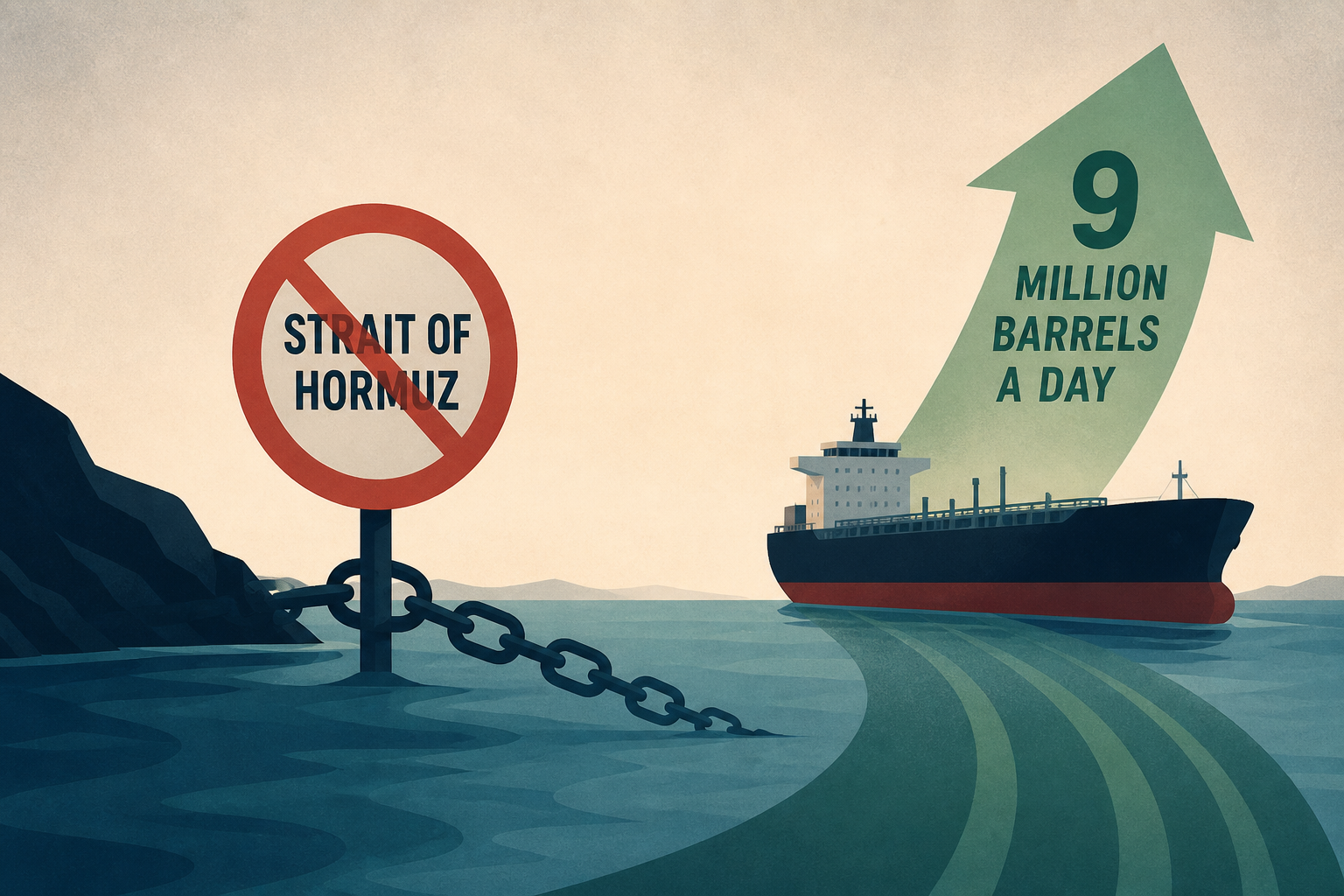
AI Generated Image
Iran says the Strait of Hormuz is shut down. Trump says 9 million barrels a day are getting out
Fortune • • business
Key Points:
- Despite claims that Iran has nearly shut down the Strait of Hormuz with missile and drone threats, data shows some oil tankers continue to transit the strait, although many are sailing "dark" with transponders off to avoid detection.
- Energy Secretary Chris Wright reported that about 9 million barrels per day of oil are leaving the strait on average, supplemented by 5 to 7 million barrels per day via pipelines and export facilities, totaling around 15 million barrels daily—down from 20 million barrels before the conflict.
- The U.S. military and Gulf allies have helped maintain these flows by guiding tankers through alternate routes and providing protection, though Iran has attacked some vessels attempting to bypass its corridor, escalating tensions.
- Tactics like dark transits and ship-to-ship transfers are being used to evade Iranian attacks and sanctions, allowing non-Iranian Gulf oil producers to continue exporting, while Iran’s own exports remain severely restricted by the U.S. naval blockade.
- The ongoing supply deficit keeps global oil markets under pressure, but recent crude price declines provide temporary relief, giving the U.S. more leverage to intensify economic pressure on Iran amid signs of economic collapse in Tehran.


