Iran war fertilizer squeeze could spell trouble for next year's grain harvests
The Times of Israel • • world
Key Points:
- Global fertilizer prices are surging again due to the Iran war disrupting supplies from the Middle East, a key fertilizer production hub and trade route through the Strait of Hormuz, leading to halted production and reduced exports of key inputs like urea, sulphur, and ammonia.
- Unlike the 2022 crisis triggered by Russia's invasion of Ukraine, current grain prices are too low to offset rising fertilizer costs, forcing many farmers worldwide to reconsider planting plans or reduce fertilizer use, which threatens crop yields and global food production.
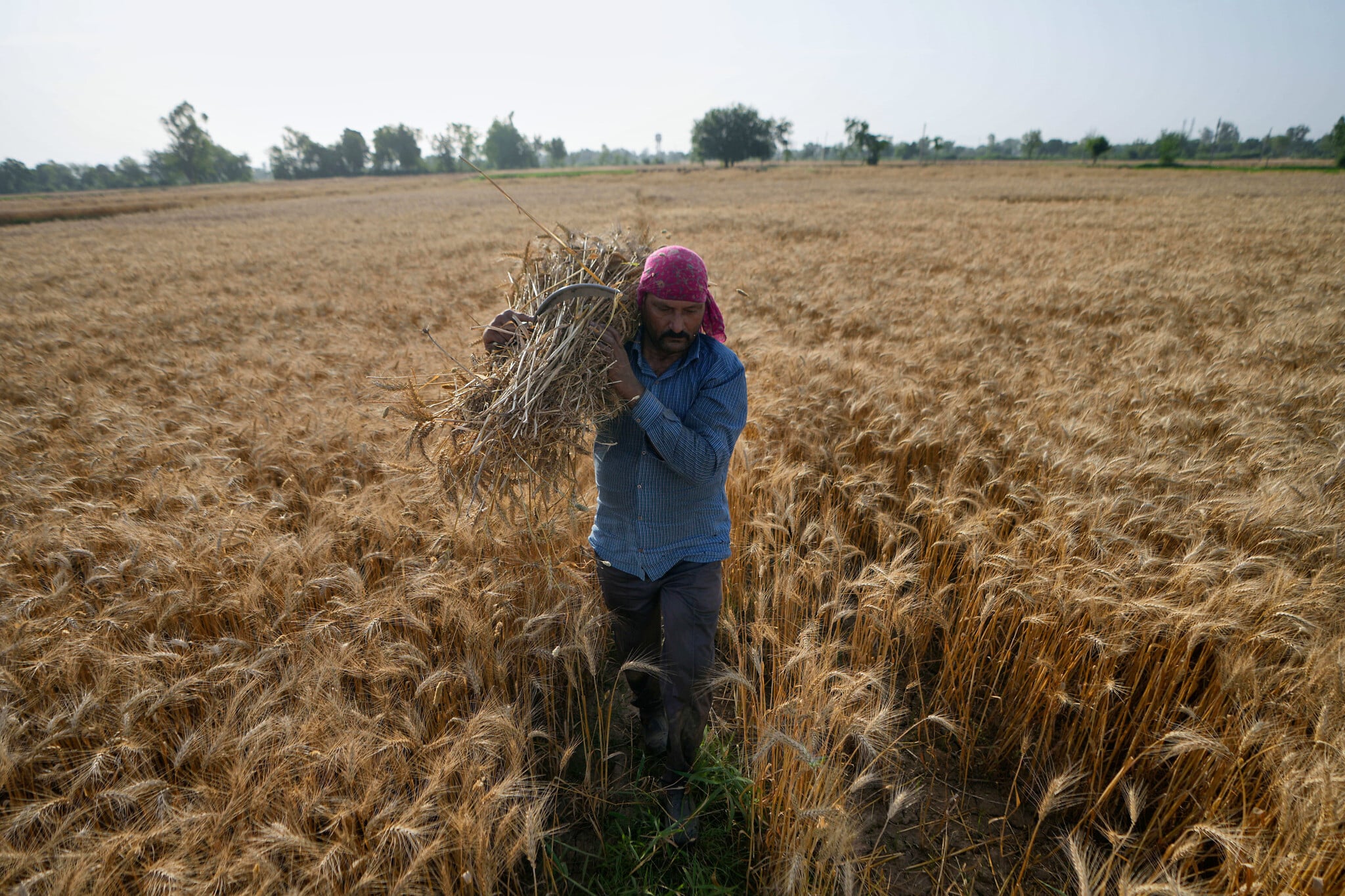
- Major producers like India are paying record prices for urea, but many farmers cannot afford such costs, leading to potential cuts in fertilizer application that could lower yields and protein content, especially in nitrogen-dependent crops like wheat.
- Supply disruptions are expected to persist for months due to damaged facilities and logistical backlogs, even if hostilities end soon, with at least 2 million metric tons of urea production lost and nearly 1 million tons stuck in transit.
- Early signs of impact include reduced wheat planting in Australia and anticipated fertilizer cutbacks in Brazil, Southeast Asia, and Europe, raising concerns about future harvests and food security, particularly in vulnerable developing regions.


