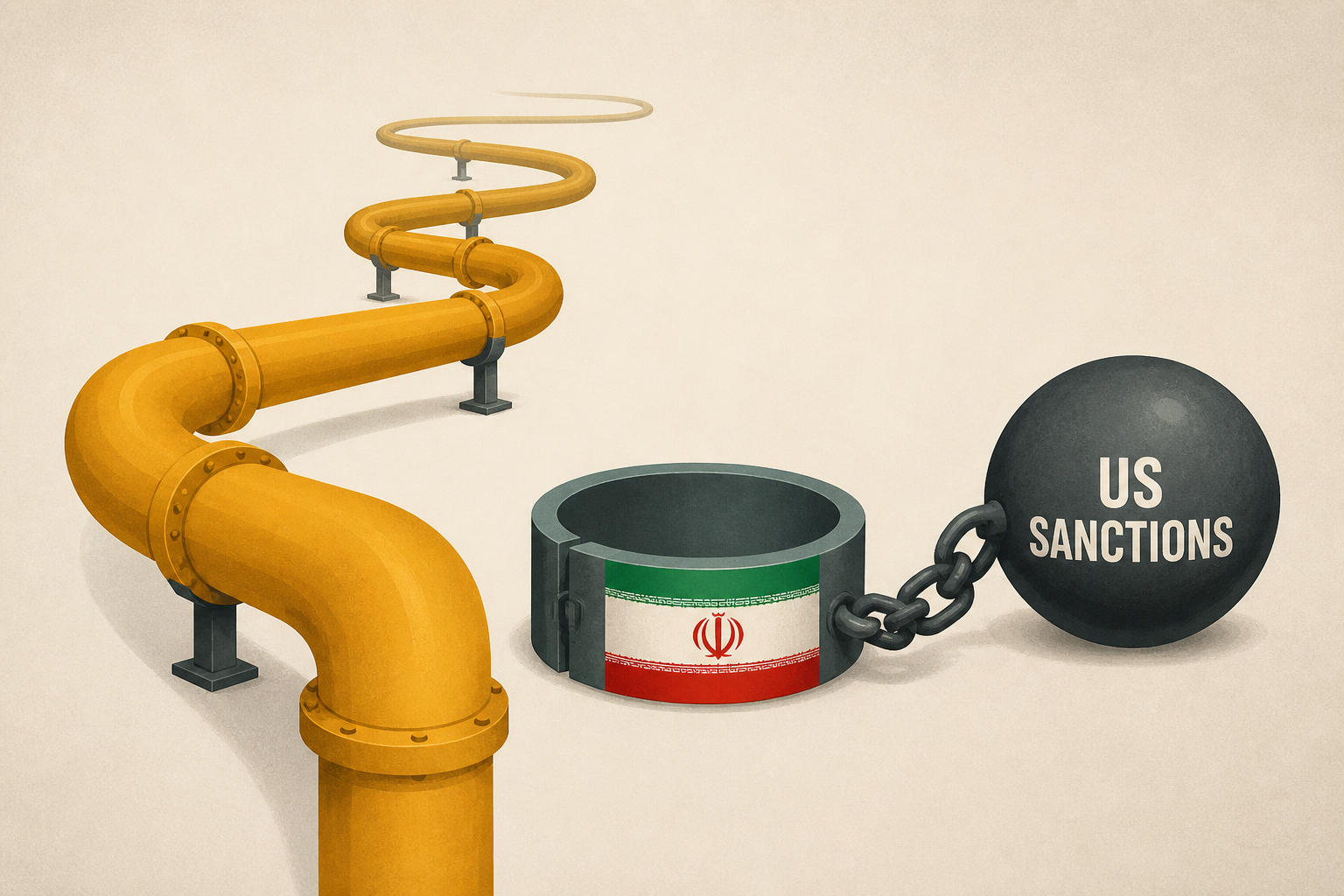
AI Generated Image
Iran war: Gas lines grow as its leaders will bow to US sanctions
AP News • • world
Key Points:
- Lines outside gas stations in Tehran have grown longer amid U.S. tightening sanctions and blockade, with some Iranians waiting over two hours to fill up, reflecting fears of fuel shortages and rising prices.
- U.S. Treasury Secretary Scott Bessent vowed to fully sever Iran from the global economy, escalating economic pressure aimed at forcing concessions nearly six months into the conflict initiated by President Trump and Israel.
- Despite economic hardships including inflation, currency devaluation, and rising prices, there have been no new protests in Iran, where authorities previously crushed demonstrations with deadly force.
- The UAE's recent decision to cut trade and financial ties with Iran, influenced by U.S. pressure, could have significant long-term economic effects, compounding the impact of the naval blockade on Iran's economy.
- Iran is countering by largely closing the strategic Strait of Hormuz to disrupt global oil supplies, betting that the resulting economic pain, including rising U.S. gas prices, will pressure Washington to ease sanctions.


