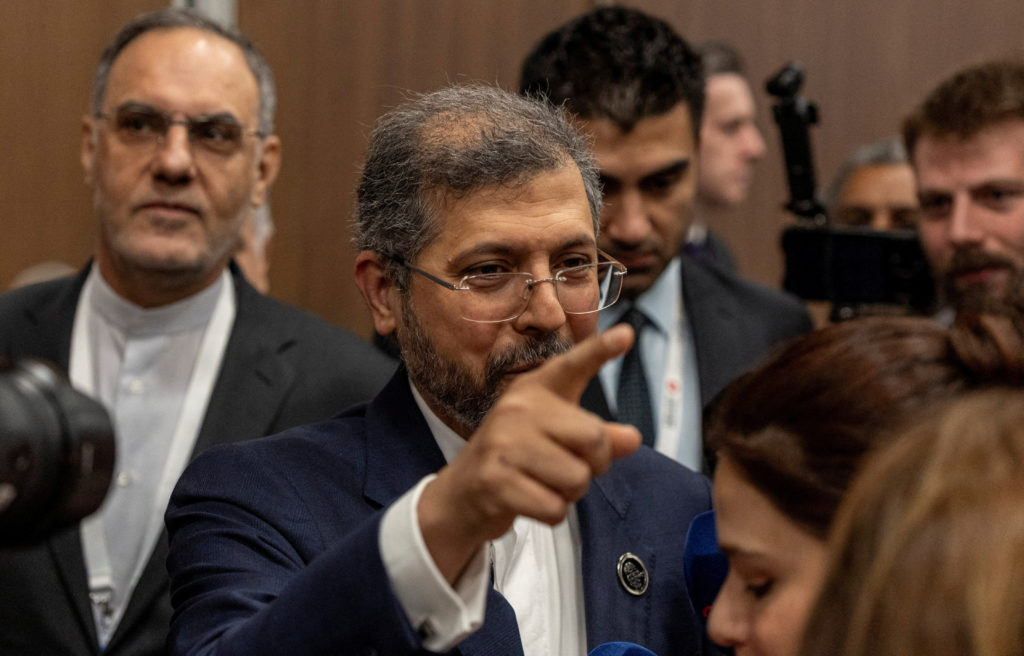
Iranian official says excessive demands made by U.S. are barrier to in-person talks
PBS • • nation
Key Points:
- Iran is not ready to resume face-to-face talks with the U.S., citing Washington's refusal to drop "maximalist" demands on key issues, according to Iranian Deputy Foreign Minister Saeed Khatibzadeh.
- Iran rejects U.S. claims, including President Trump's statement about shipping enriched uranium to the U.S., affirming no enriched material will be handed over.
- Khatibzadeh emphasized that Iran seeks a "framework agreement" before in-person meetings and urged the U.S. to address Iran's main concerns, particularly the unilateral sanctions viewed as economic terrorism.
- On regional tensions, Iran insists its actions are defensive amid Israel-Hezbollah conflicts and calls for the ceasefire to extend to Lebanon, despite Israel and the U.S. denying such an extension.
- Iran announced reopening the Strait of Hormuz after a ceasefire in Lebanon, with plans for a new protocol to keep the strait open and safe for civilian passage, while Trump maintains a U.S. blockade will continue if no agreement is reached.


