Iran's Hormuz toll booth points toward an L-shaped price plateau, not the V-shaped recovery traders want
Fortune • • world
Key Points:
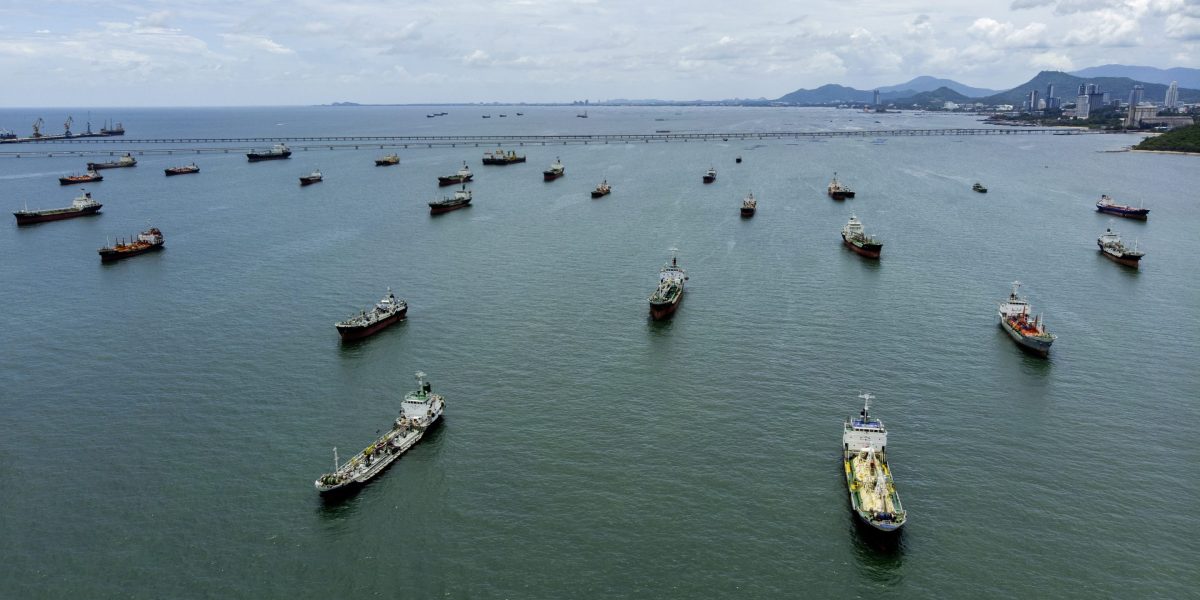
- The Strait of Hormuz has become a critical chokepoint in the global energy supply chain, with geopolitical tensions transforming it into a hostile zone that demands political concessions or high risk premiums for safe passage, reminiscent of past crises like the 1956 Suez Canal Crisis and the 1980s Tanker War.
- Middle Eastern oil producers face a 25-day "tank top" deadline as storage capacities near maximum, forcing production cuts and risking permanent damage to oil reservoirs due to abrupt shutdowns; meanwhile, consuming nations are drawing down strategic petroleum reserves at unsustainable rates, with a 100-day "sludge line" looming that threatens refinery operations.
- The physical realities of oil infrastructure degradation, storage limitations, and geopolitical risk mean the market will not experience a quick V-shaped recovery but rather an extended L-shaped plateau of high prices and constrained supply, driven by midstream system damage, mandatory reserve replenishments, and slow restarts of disrupted networks.
- The combined effects of supply shortages and infrastructure challenges are expected to cause widespread demand destruction, severely impacting energy-intensive industries, national security sectors, global transportation, and food production, potentially leading to wartime rationing and a fundamental restructuring of energy allocation priorities.
- Industry leaders, policymakers, and investors must recognize that triple-digit oil prices represent a new baseline driven by engineering and physical constraints, requiring strategic adaptation to a prolonged period of restricted supply rather than expecting a swift return to lower energy costs.


