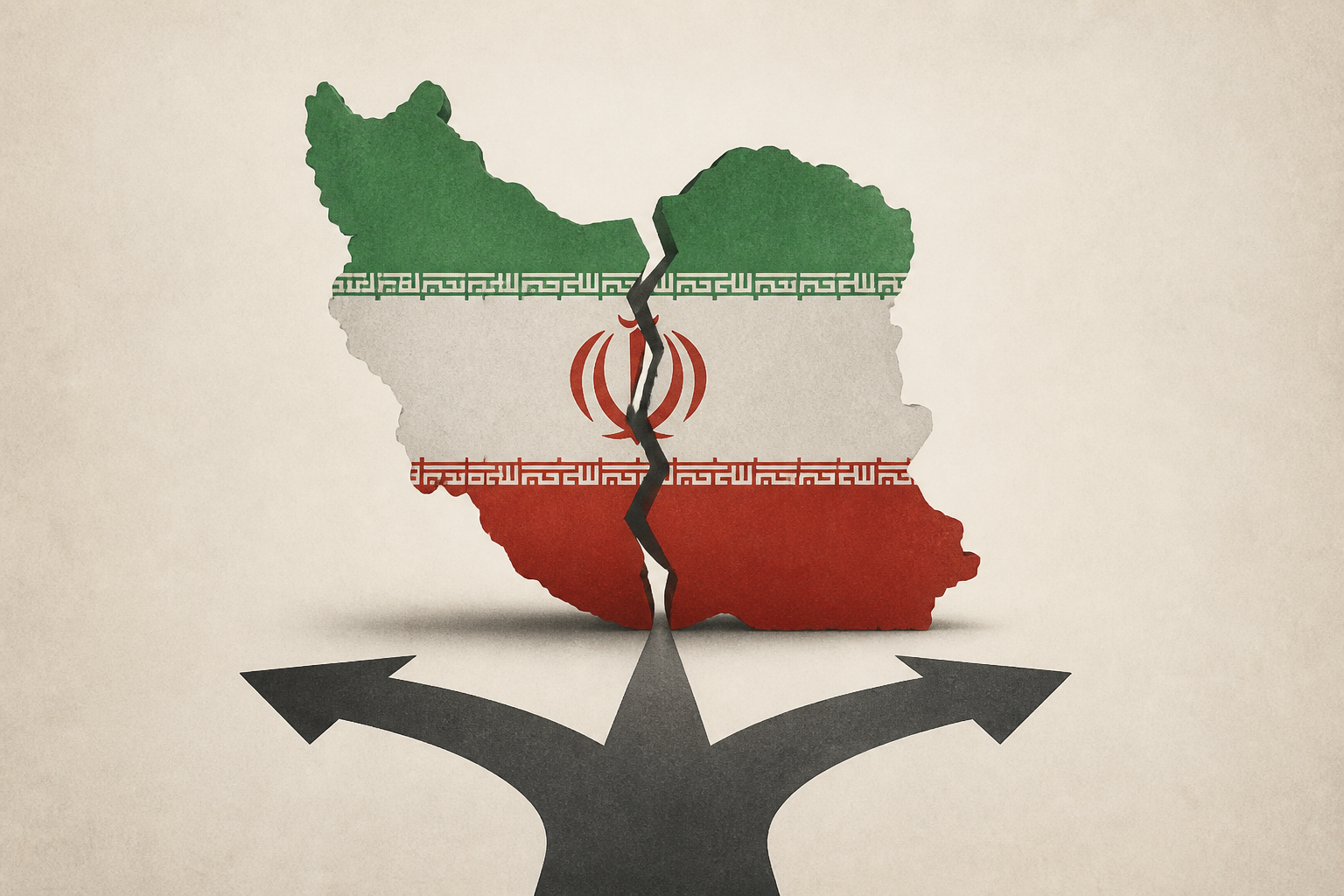
AI Generated Image
Iran’s leaders are united over the war but not over what comes next
AP News • • nation
Key Points:
- Iran’s leadership is divided between ultra-hardliners seeking total victory with no U.S. negotiations and pragmatists who view military pressure as leverage for a negotiated deal, amid escalating attacks on U.S. bases and allies.
- The ceasefire deal with the U.S. in April was largely supported by Iran’s top security council except for the hardline Paydari faction, but the deal fell apart due to unmet financial promises and renewed American blockades.
- Ultra-hardliners have mobilized public sentiment against negotiations through rallies and state media control, while pragmatists warn that economic hardship and social unrest require a balanced approach including dialogue with the U.S.
- The rivalry reflects a broader power struggle over Iran’s postwar future, complicated by uncertainty about the stance of the new supreme leader, Ayatollah Mojtaba Khamenei, who remains in hiding after reportedly being injured.
- Both factions are preparing for influence after the war, with pragmatists emphasizing the need to address public dissatisfaction and economic challenges, while hardliners push for ideological control and resistance to compromise.


