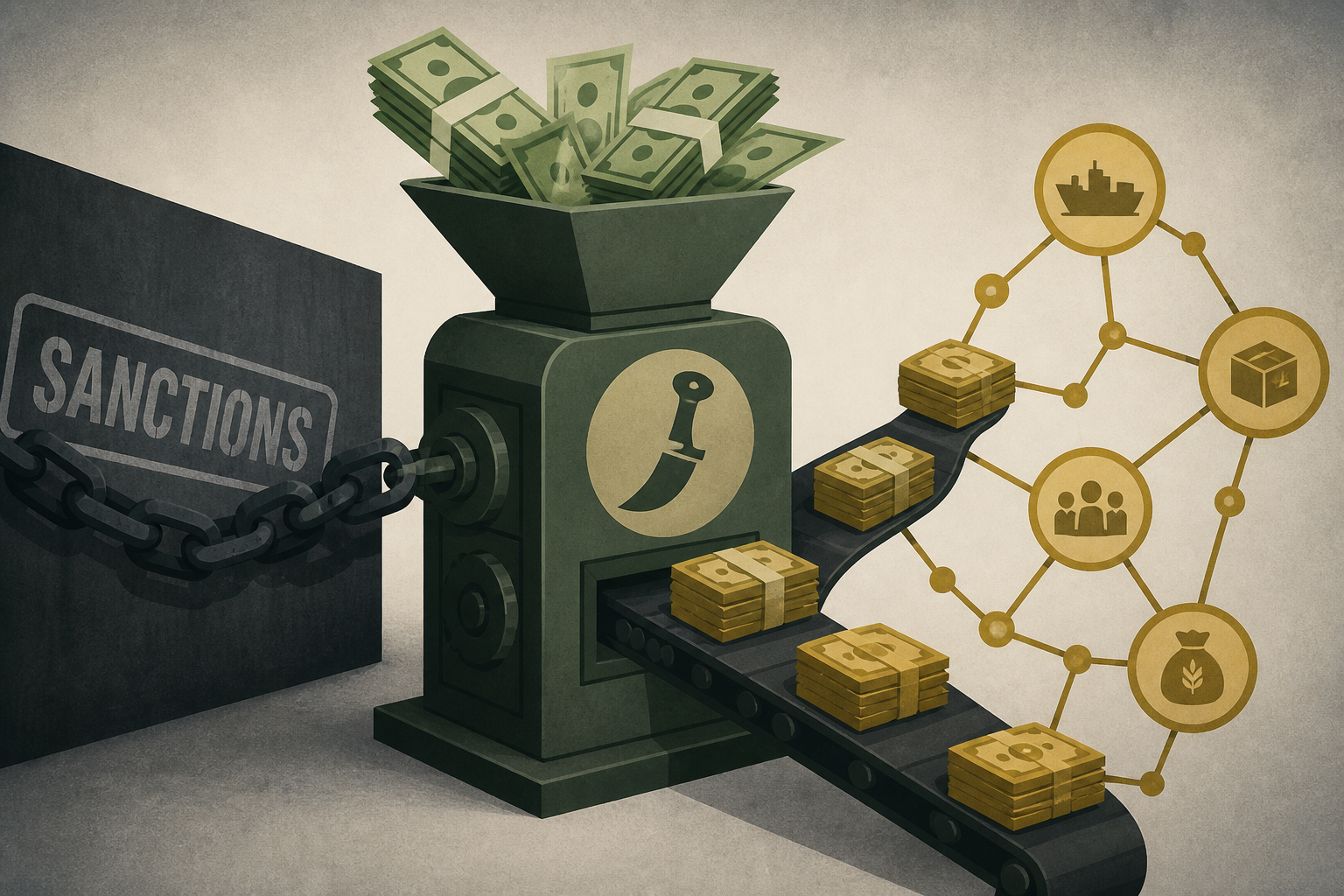
AI Generated Image
Iran’s proxy money machine: How the Houthis built a multibillion-dollar network despite US sanctions
Yahoo • • world
Key Points:
- The Iran-backed Houthis have rapidly advanced along Yemen's Red Sea coast, seizing strategic ports like Mocha and moving toward the Bab el-Mandeb Strait, a vital global shipping chokepoint, raising concerns over threats to international maritime trade.
- The Houthis operate a complex and well-capitalized financial network that spans Houthi-controlled ports, tariffs, Iranian oil shipments, informal hawala systems, cryptocurrency exchanges, and facilitators in Russia, Turkey, and Southeast Asia, enabling them to generate over $2 billion annually.
- While Iran provides support, experts emphasize that the Houthis are embedded in a broader commercial ecosystem and have adapted to sanctions by generating most of their revenue domestically through customs, taxes, and fuel sales, complicating U.S. efforts to cut off their funding without worsening Yemen's humanitarian crisis.
- The group's financial and military capabilities are bolstered by expanding ties with adversaries like Russia and China, including access to Russian weaponry, Chinese satellite imagery, and drone components, highlighting a multifaceted international support network beyond Iran.
- U.S. Treasury and policymakers face the challenge of disrupting Houthi financing channels intersecting with formal financial systems, such as Yemeni banks and exchange houses, while ensuring humanitarian goods continue to flow to civilians, a dilemma with broader implications for sanction enforcement against illicit actors globally.


