Iran’s retaliation strategy shows command and control still
ynetnews • • general
Key Points:
- Iran is retaliating against strikes on its soil by targeting similar categories of sites in Israel and the Gulf, including nuclear facilities, energy infrastructure, and civilian sites linked to the Iranian regime.
- Iranian officials have escalated their rhetoric from an "eye for an eye" policy to threatening disproportionate responses, warning that future retaliation may inflict greater damage, such as a "head for an eye."
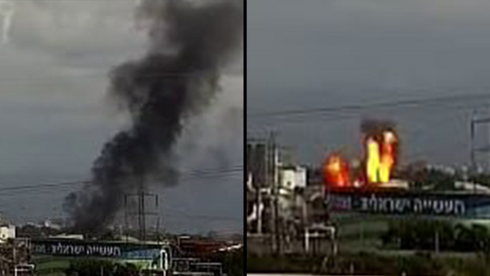
- Strategic and operational planning guides Iran’s retaliatory strikes, with coordinated responses to specific attacks, such as strikes on Haifa oil refineries following attacks on South Pars gas fields, and attacks on Dimona after Natanz nuclear facility strikes.
- Iran aims to establish a deterrence equation by escalating responses beyond Israel to include Gulf states, exemplified by attacks that have impacted Qatar’s gas production and threats involving the Houthi movement and the Bab el-Mandeb Strait.
- Analysts note that Iran’s approach reflects robust command and control and a deliberate effort to create new rules of engagement by inflicting escalating pain to deter further attacks on its territory.


