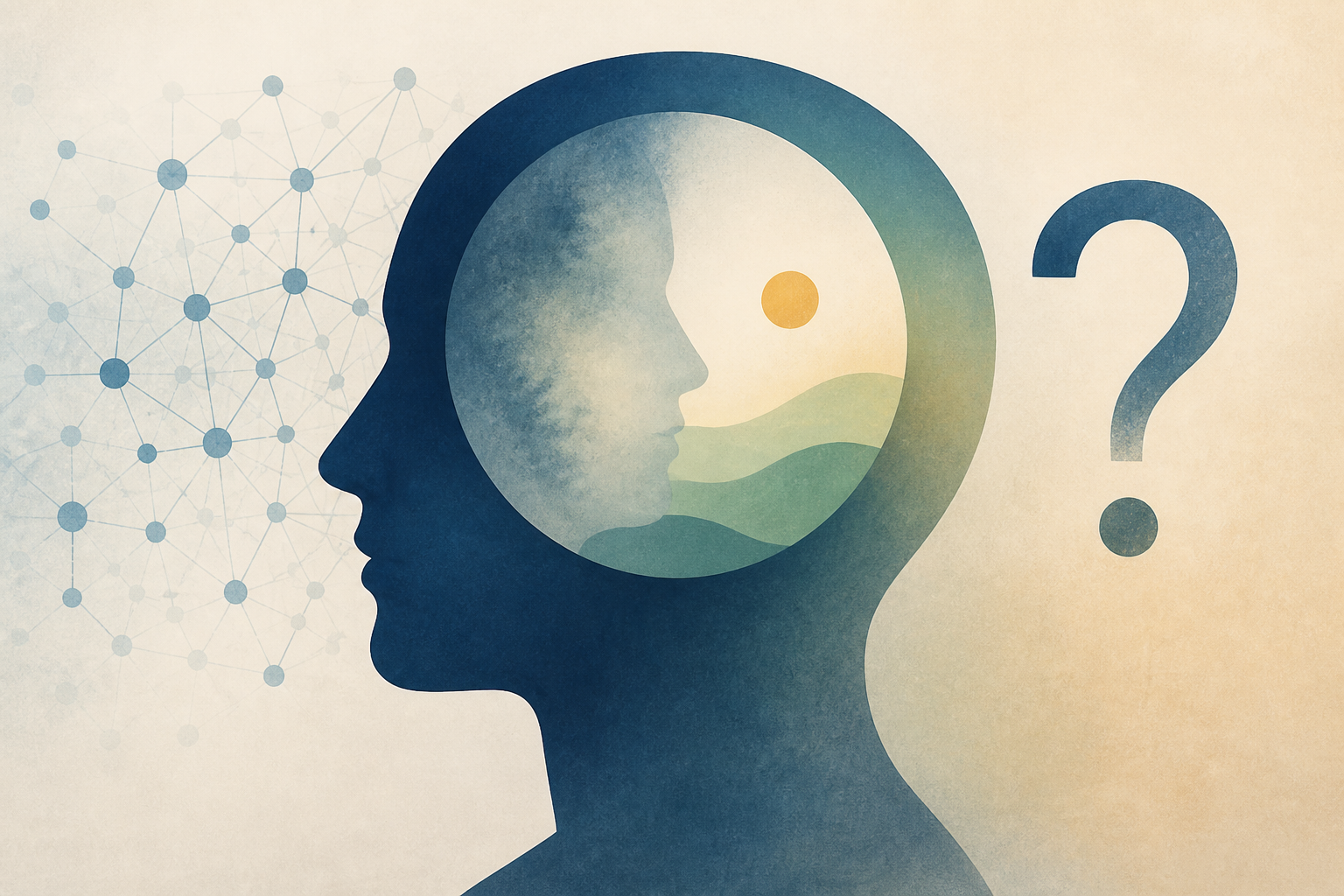
AI Generated Image
Is Consciousness an Illusion or Something Else?
TheCollector • • science
Key Points:
- Consciousness remains one of philosophy's greatest mysteries, debated as either an emergent property of complex brains or a fundamental aspect of the universe akin to space and time.
- Philosophers distinguish between phenomenal consciousness (subjective experience) and access consciousness (information processing), raising questions about the nature of the self and existence.
- The emergent view sees consciousness as arising from brain complexity and neuronal activity, while the fundamental view, including panpsychism and idealism, posits consciousness as a basic feature of reality present even in elementary particles.
- The possibility of machine consciousness depends on whether consciousness emerges from complexity or is a fundamental property, with ongoing debates about whether AI can truly "feel" or merely simulate awareness.
- The "hard problem" of consciousness highlights the explanatory gap between brain function and subjective experience, prompting some to explore dual-aspect monism and quantum theories as potential frameworks for understanding consciousness.


