AI Generated Image
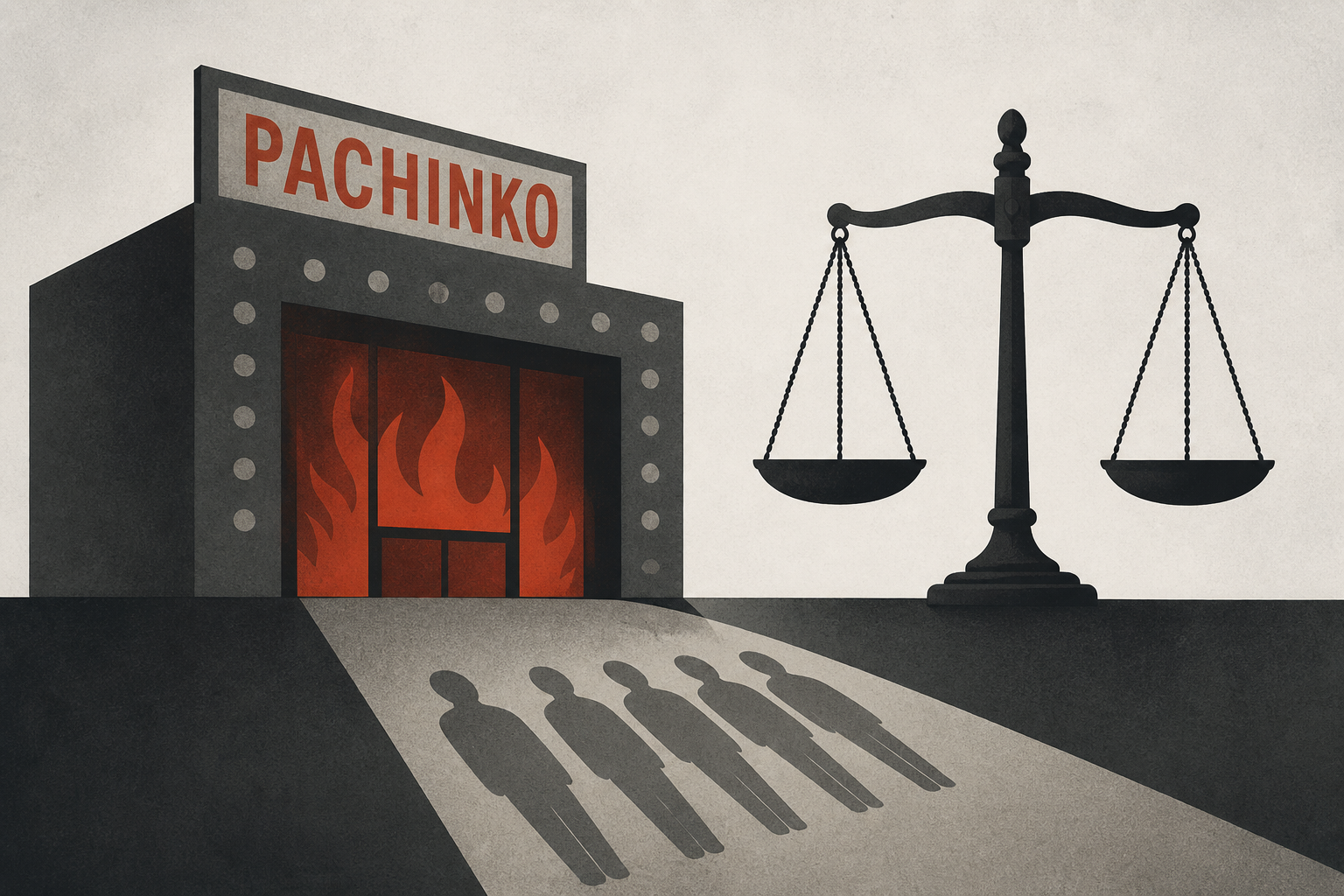
Japan executes man convicted of setting fire that killed 5 at pachinko parlor in Osaka
New York Post • • world
Key Points:
- Sunao Takami was executed by hanging in Japan for setting fire to a pachinko parlor in Osaka in 2009, killing five people and injuring ten others; this marks the first execution under Prime Minister Sanae Takaichi's government.
- Takami was convicted of murder, attempted murder, and arson, sentenced to death in 2011, with appeals rejected by the Supreme Court in 2016; Japan currently has 100 people on death row.
- Japan faces increasing international criticism for its use of the death penalty, as it and the US are the only G7 countries still practicing capital punishment, with calls growing for abolition and greater transparency.
- Executions in Japan are carried out in secrecy, with prisoners informed only on the morning of their execution; the Justice Minister defended this practice and the use of hanging, citing public support and Supreme Court rulings.
- The timing of the execution during a parliamentary recess drew criticism as a way to avoid public debate, though officials denied this intent; Japan continues to grapple with balancing capital punishment within its criminal justice system amid recent high-profile crimes.


