AI Generated Image
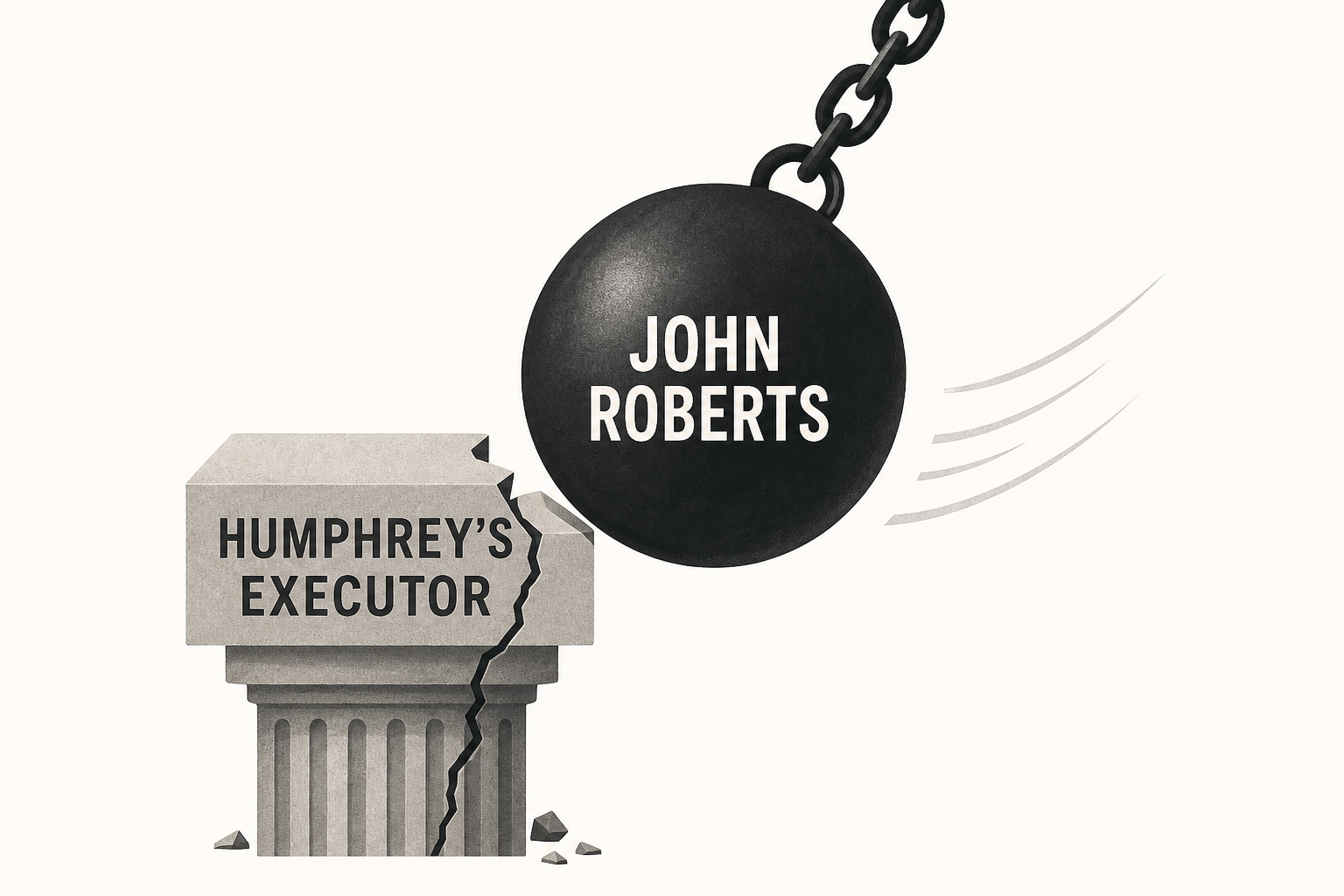
John Roberts fought for decades to overturn Humphrey’s Executor
CNN • • general
Key Points:
- Chief Justice John Roberts has long advocated for a strong presidential power to fire heads of independent agencies, culminating in the Supreme Court's recent decision to overturn the 1935 Humphrey’s Executor precedent that limited this authority.
- Roberts argued that the president must have full control over executive branch officials to ensure accountability, stating that the Constitution vests "the executive Power" solely in the president.
- The ruling significantly curtails the independence of agencies like the Federal Trade Commission, which had protected commissioners from removal except for cause, though the court carved out an exception for the Federal Reserve due to its historical independence.
- Justice Sonia Sotomayor dissented, warning that the decision grants unprecedented power to the president and threatens regulatory agencies' ability to enforce protections in areas like consumer safety and workplace regulations.
- Roberts' decision reflects his broader judicial philosophy favoring executive power, aligning with other rulings that have expanded presidential authority, including granting former President Trump substantial immunity from criminal prosecution.


![The Elder Scrolls 4: Oblivion reveals Nintendo Switch 2 physical release with full game on cartridge [update: release date]](https://media-cdn.cashwalklabs.io/https%3A%2F%2Fs3.us-west-2.amazonaws.com%2Fimages.cashwalklabs.io%2F0_admin%2Fnews-ai-images%2F019f1947-bada-76d8-a352-60df28fde80e.webp?format=webp&w=120&h=80)


