AI Generated Image
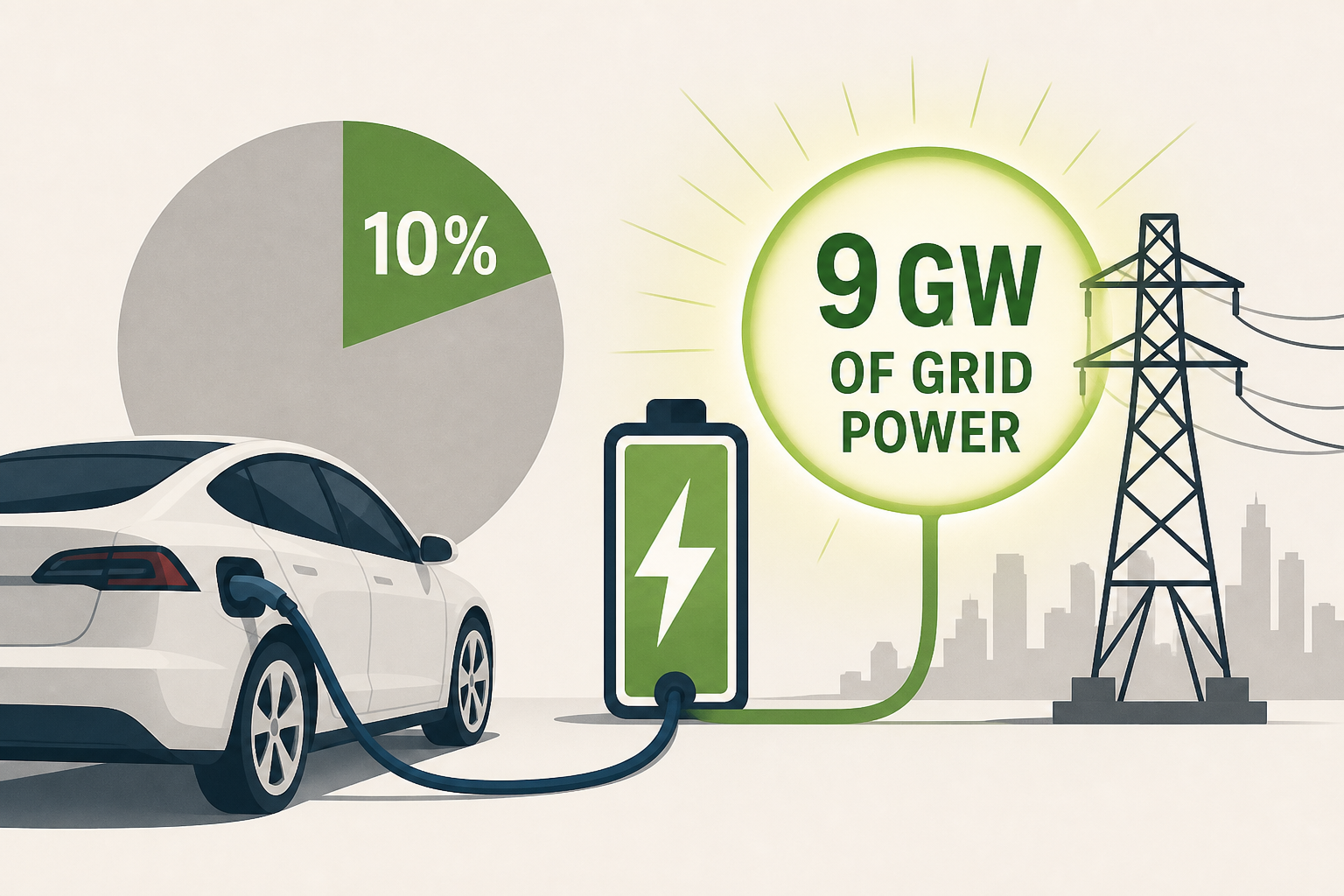
Just 10% of California’s EVs could provide 9 GW of grid power
Electrek • • business
Key Points:
- A new report from GridLab, Kevala, and Energy and Environmental Economics estimates that enrolling 10% of California’s projected EVs in vehicle-to-grid (V2G) programs by 2036 could provide about 9 GW of power for 12 hours, meeting over one-third of the state’s long-duration energy storage target.
- V2G technology enables EVs to send power back to the grid during high demand and recharge when electricity is cheaper, helping balance supply and demand, especially with midday solar generation.
- The report highlights that California’s main challenge is the lack of standardized utility programs, with varying rules and payment structures, and calls for uniform program designs, common technical requirements, and compensation based on verified grid performance.
- Paying participants less than the utility’s avoided cost is recommended to keep energy affordable for all customers, preventing costs from shifting disproportionately to those without flexible energy devices.
- While full V2G participation requires compatible technology and supportive utility programs, even one-way smart charging can reduce peak demand and infrastructure needs by encouraging EV charging during off-peak hours.


