AI Generated Image
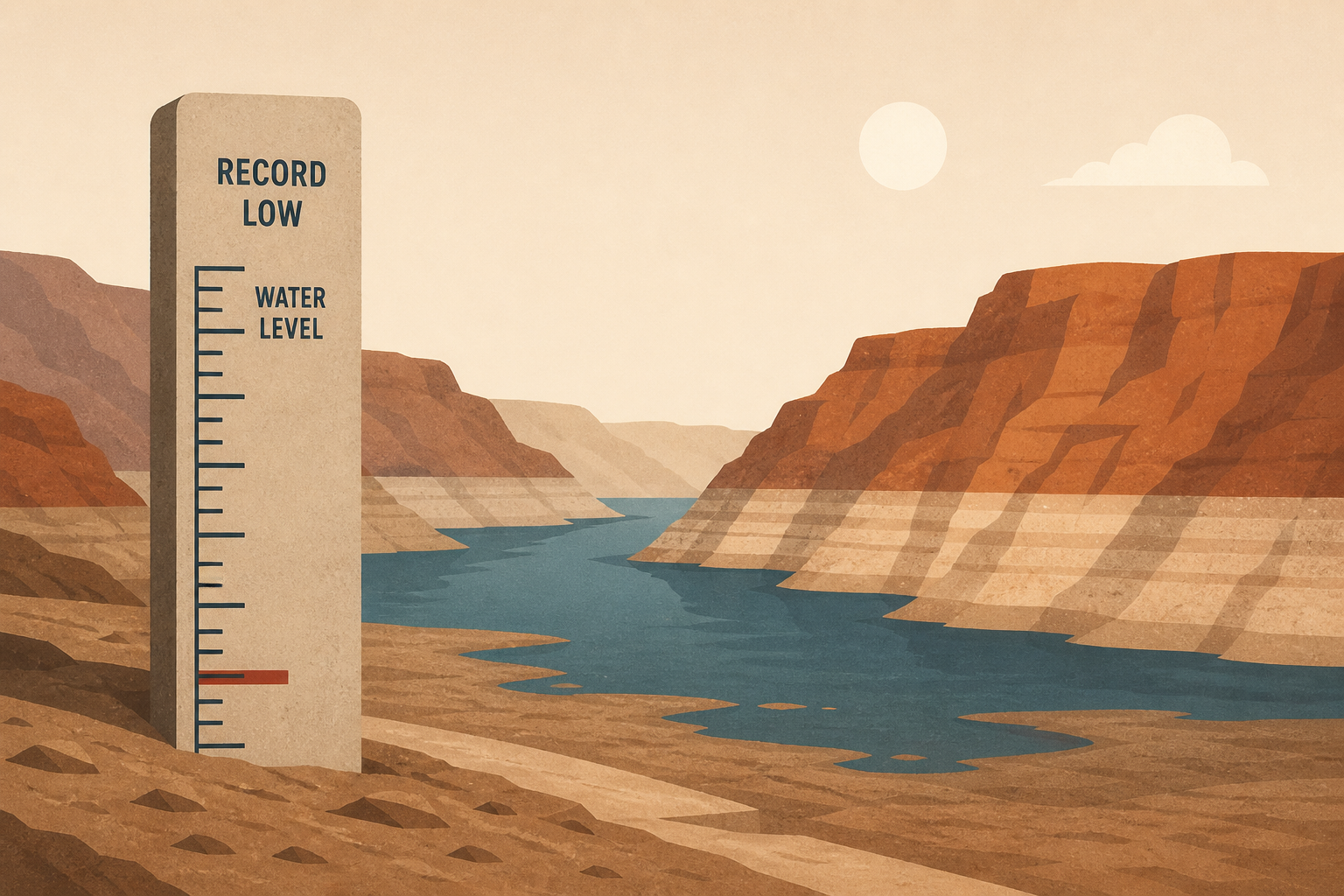
Lake Powell and Lake Mead water levels hit record lows
npr.org • • nation
Key Points:
- Lake Powell and Lake Mead, the two largest reservoirs on the Colorado River, have reached dangerously low water levels, threatening water and hydropower supplies for millions in the western U.S.
- Climate change, including hotter temperatures and severe droughts, along with one of the driest winters on record, has caused significant declines in snowmelt that replenishes these reservoirs.
- The Colorado River supplies water to over 40 million people across seven states and tribal communities, but ongoing water shortages have led to drastic cuts in irrigation for farms like Nancy Caywood's in Arizona.
- Federal proposals released in July suggest major future water use reductions for California, Arizona, and Nevada to address the crisis, while cities are working to develop alternative and sustainable water sources.
- Despite the challenges, some farmers remain determined to continue cultivating crops, adapting as best they can to the increasingly scarce water supply.


