AI Image
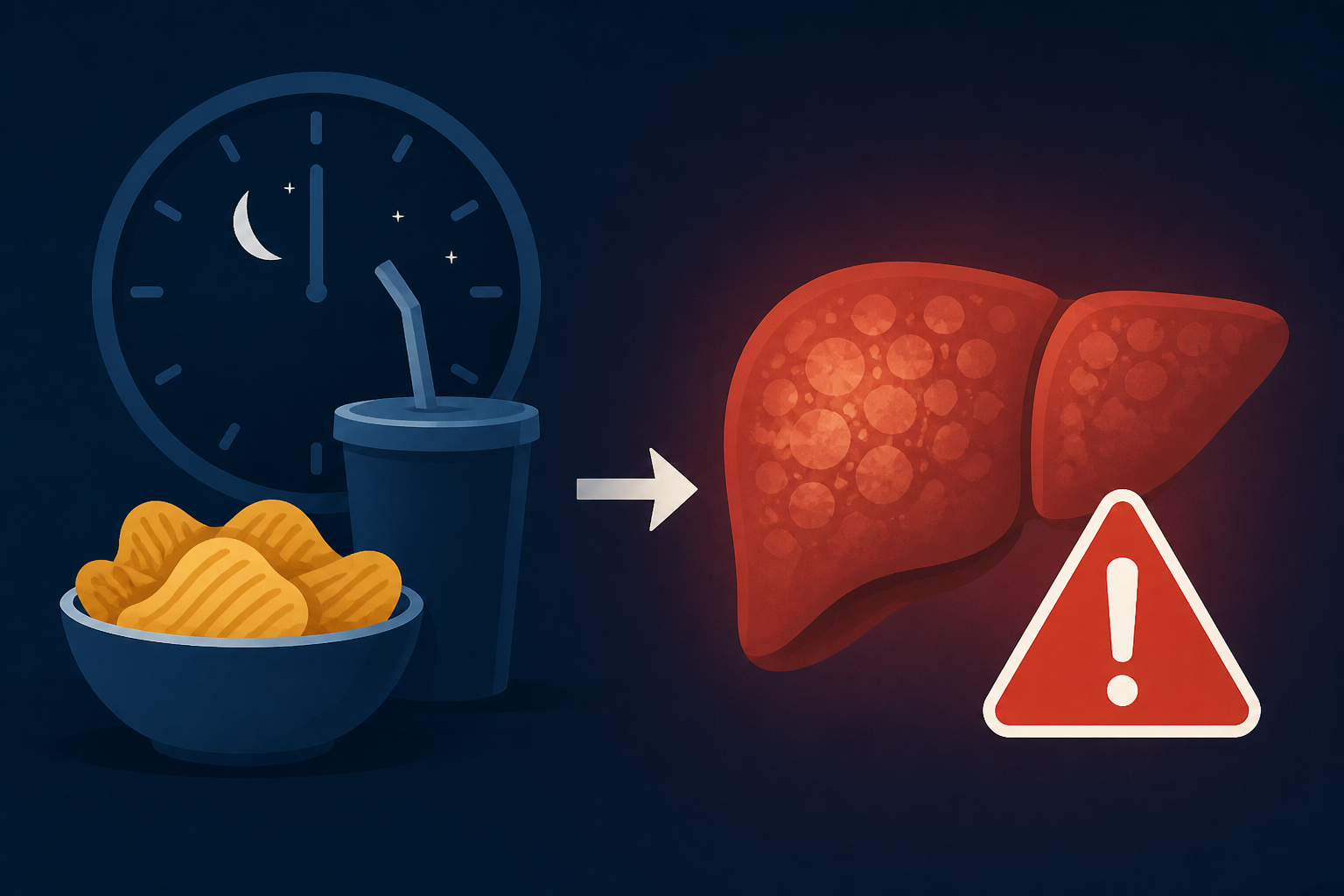
Late-night snack significantly increases liver disease risk, scientists warn
The Independent • • health
Key Points:
- New research involving around 200,000 people across three studies found that eating late at night is linked to a significantly higher risk of liver disease, including metabolic dysfunction-associated steatotic liver disease and cirrhosis.
- The study published in Clinical Gastroenterology and Hepatology showed a 20-30% increase in liver disease among those who eat after dinner or after going to bed compared to those who do not.
- Researchers emphasize the liver's sensitivity to circadian rhythms and suggest that restricting calorie intake to several hours before bedtime may benefit liver health without changing diet composition.
- Experts highlight that the timing of behaviors like eating and sleeping affects metabolism and health, with late-night eating impairing the body's ability to metabolize food efficiently, potentially leading to obesity, diabetes, and liver problems.
- Symptoms of serious liver disease such as cirrhosis can include fatigue, loss of appetite, jaundice, and itchy skin, though many liver diseases can be asymptomatic in early stages.


