AI Generated Image
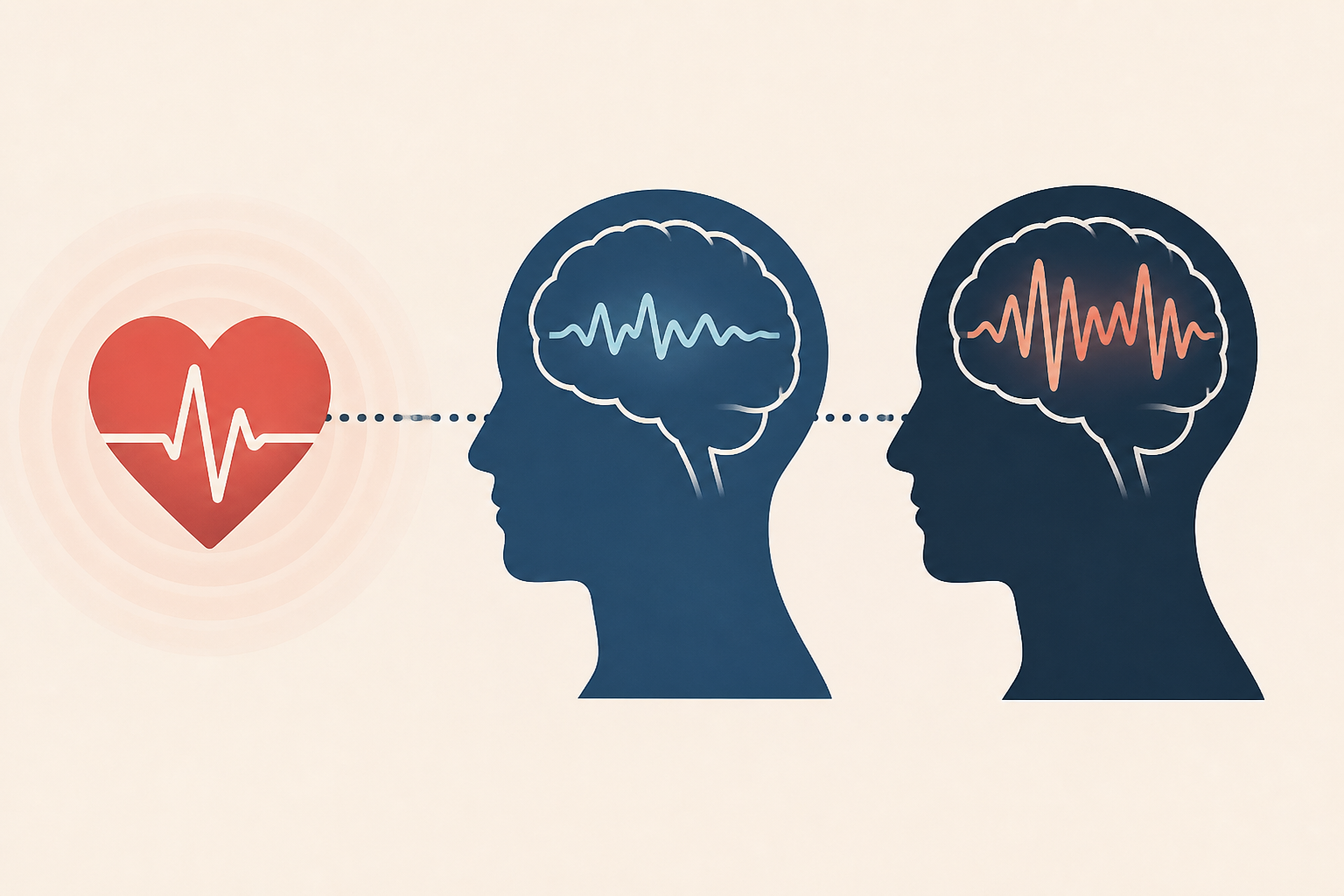
Lonely people can feel their heartbeat clearly like everyone else, but their brains respond differently
Medical Xpress • • health
Key Points:
- A study by Hiroshima University found that loneliness affects how individuals interpret and emotionally respond to internal bodily signals, such as heartbeats, rather than their ability to accurately detect these signals.
- Lonelier participants reported lower comfort and self-regulation regarding their bodily and emotional experiences, alongside weaker automatic brain responses in the frontal brain regions linked to emotion regulation.
- These findings support the hypervigilance model of loneliness, suggesting that impaired regulation of internal stress signals may keep lonely individuals in a heightened state of alertness.
- The research highlights that loneliness alters the emotional evaluation of bodily signals rather than general body awareness, with implications for understanding its biological impact on health.
- Further studies are needed to determine whether changes in body awareness cause loneliness, result from it, or develop concurrently.


