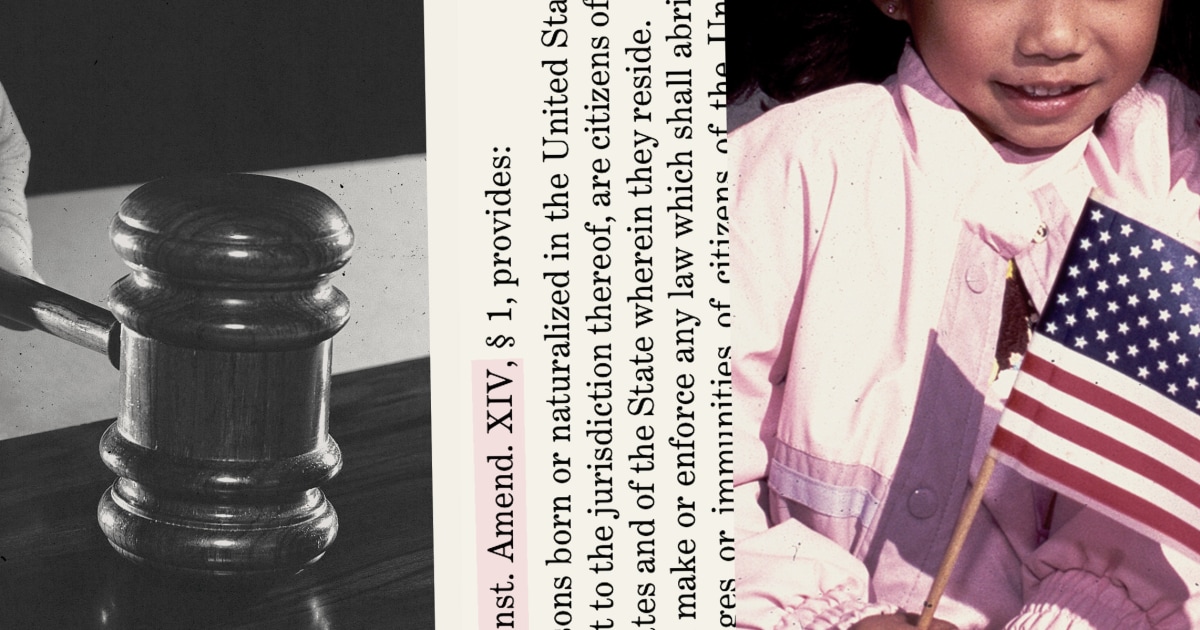
Looking to limit birthright citizenship, Trump turns to an 1884 Supreme Court ruling against a Native American
NBC News • • general
Key Points:
- In 1880, Omaha election official Charles Wilkins denied Native American John Elk the right to vote, leading to the Supreme Court ruling in Elk v. Wilkins (1884) that Native Americans born in U.S. territory were not automatically citizens by birthright.
- The Trump administration is citing Elk v. Wilkins to support its executive order aiming to end automatic birthright citizenship for children born in the U.S. to undocumented or temporary-status parents, a move currently blocked by lower courts.
- Native American law experts argue that relying on Elk v. Wilkins to restrict birthright citizenship is a misinterpretation, as the case specifically addressed the unique legal status of tribal members and is not applicable to children of immigrants.
- The case centers on the interpretation of the 14th Amendment’s citizenship clause, particularly the phrase “subject to the jurisdiction thereof,” which the Trump administration claims excludes children of unauthorized immigrants and temporary visa holders.
- Legal scholars note that the 1898 Supreme Court ruling in United States v. Wong Kim Ark supports birthright citizenship for almost all born in the U.S., and they view the government’s current use of Elk as a rehash of previously rejected arguments.


