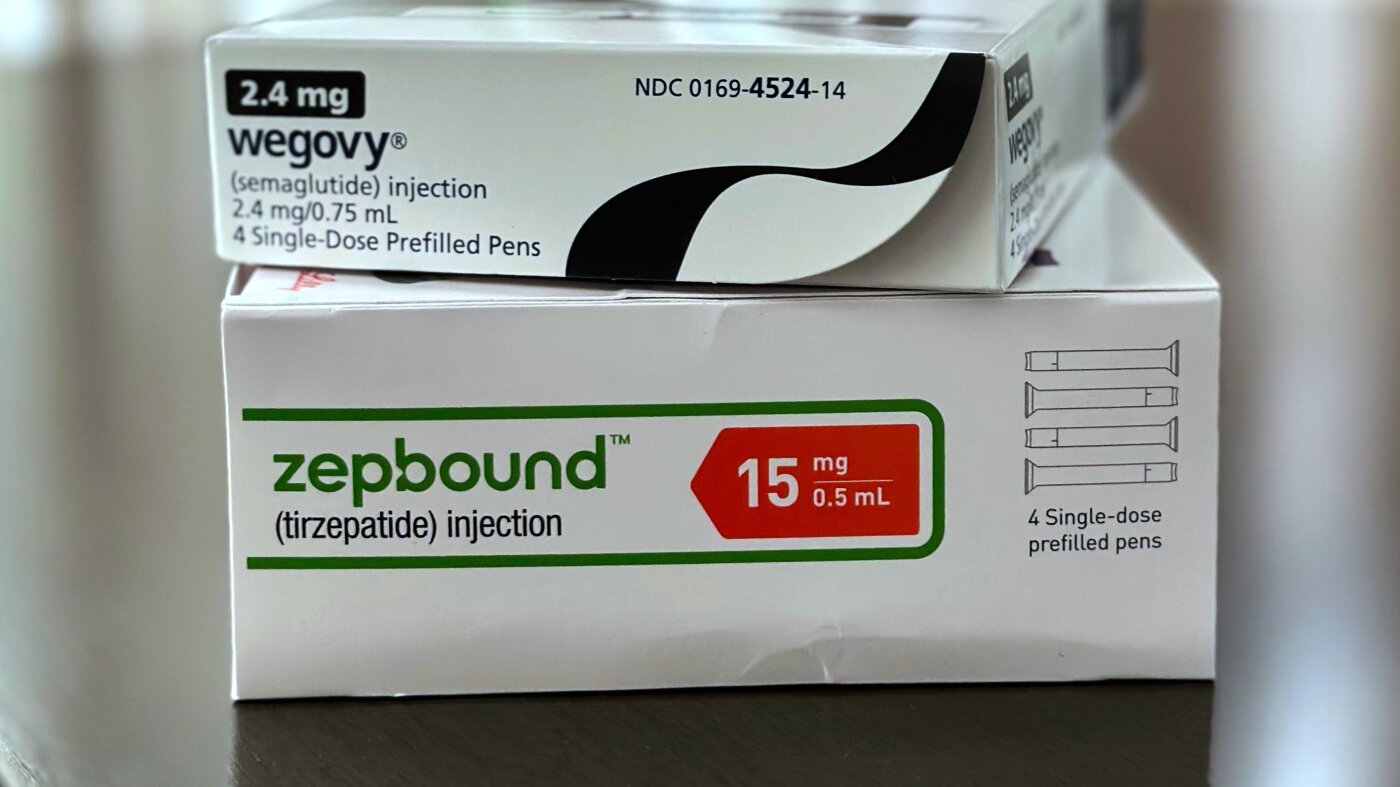
Many people start and stop GLP-1s. Here’s why that may be a bad idea : NPR
NPR • • health
Key Points:
- Less than 25% of patients prescribed GLP-1 drugs like Ozempic and Zepbound remain on them after one year, despite these medications being intended for lifelong use to treat chronic conditions like diabetes and obesity.
- Many patients discontinue GLP-1 drugs due to outdated perceptions of obesity treatment as short-term, as well as cost, insurance loss, and side effects, though a majority of those who stop plan to restart the medication.
- The rise of lower-cost, pill-form GLP-1s sold online without prescriptions is lowering barriers to intermittent use, contributing to a cultural trend of on-again-off-again consumption, partly normalized by celebrity endorsements and social media marketing.
- Intermittent use may pose health risks, including significant lean muscle loss—up to 40% of weight lost on GLP-1s—which can lead to sarcopenia, negatively affecting balance, metabolism, and bone strength, especially in older adults.
- Some experts argue that while GLP-1s reduce muscle quantity, they may improve muscle quality and function, emphasizing that muscle health and strength are critical goals alongside weight loss.


 { path { fill: %23EEEFE9 } })