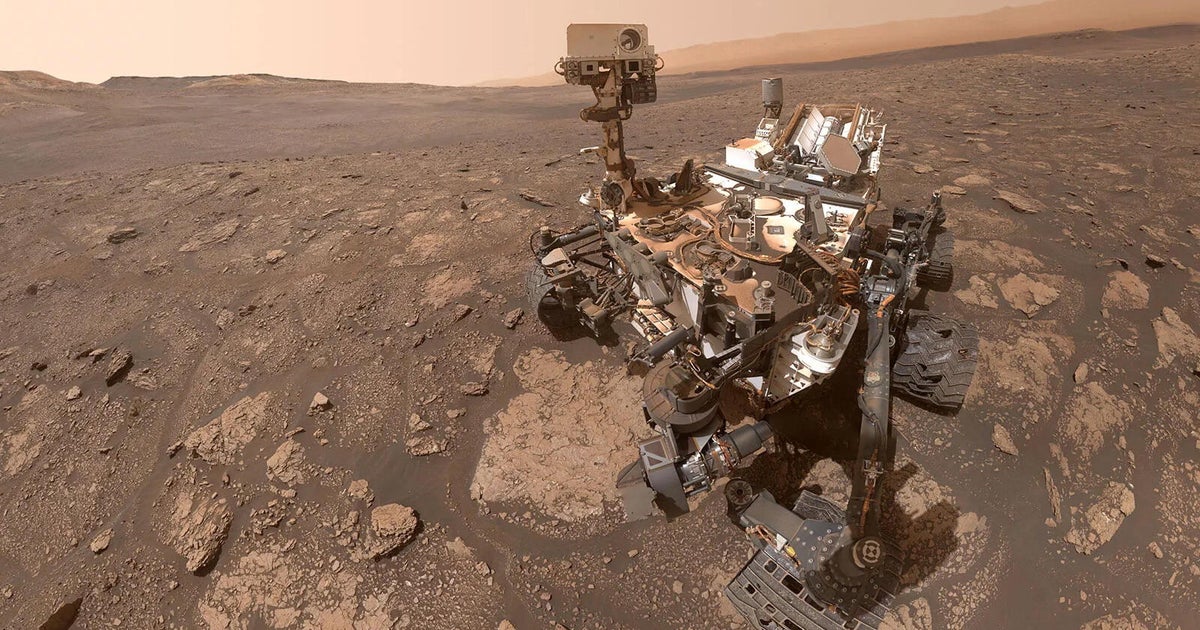
Mars rover carries out chemistry experiment never done beyond Earth, discovers more building blocks of life
CBS News • • general
Key Points:
- NASA's Curiosity rover conducted a novel chemistry experiment on Mars, detecting over 20 organic molecules, including some never before confirmed on the planet, indicating preserved building blocks of life over 3 billion years.
- The organic molecules found, such as benzothiophene and nitrogen-containing compounds, are not definitive proof of past life but suggest Mars was once a habitable world with conditions similar to early Earth.
- The experiment used the chemical TMAH to break down organic matter, a method planned for future missions like ESA's Rosalind Franklin rover, scheduled to launch in late 2028 with similar capabilities.
- While the findings support Mars' past habitability, confirming life requires further analysis, potentially through missions like Mars Sample Return, which has faced setbacks due to political and funding challenges.
- Curiosity's discoveries build on previous evidence of ancient water flow on Mars, enhancing understanding of the planet's history and guiding future exploration efforts.


