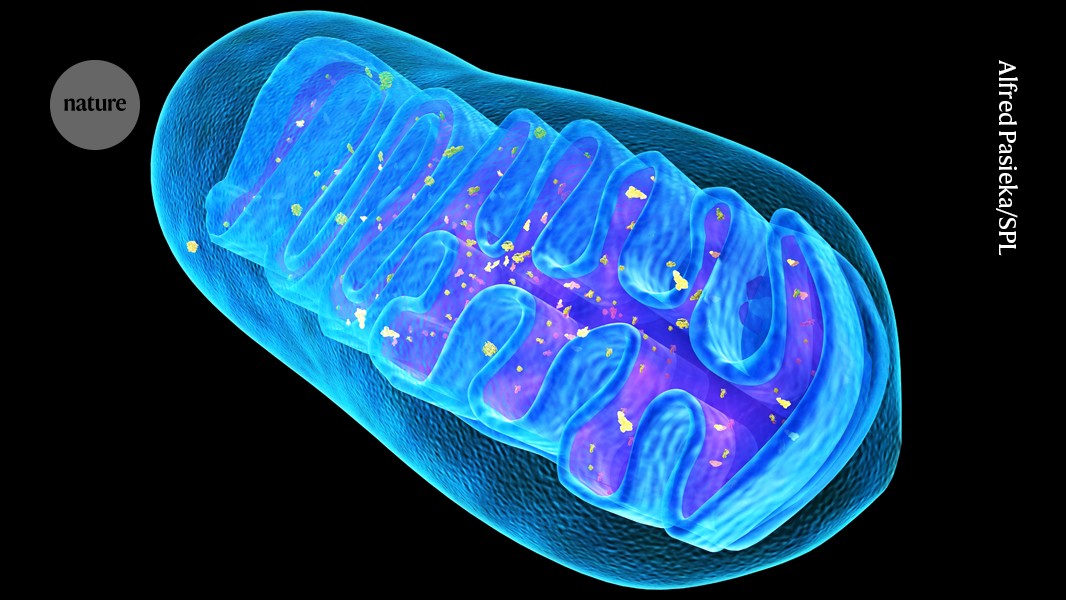
Masked mitochondria slip into cells to treat disease in mice
Nature • • science
Key Points:
- Scientists have developed a method to cloak transplanted mitochondria with red blood cell membranes, allowing them to enter cells with defective mitochondria without triggering destruction mechanisms, significantly improving treatment efficiency.
- This approach preserved the mitochondria's electrical gradient, enabling around 80% of recipient cells to absorb the transplanted organelles, compared to less than 5% with previous methods using unprotected mitochondria.
- In a mouse model of Leigh syndrome, a fatal mitochondrial disease, the cloaked mitochondria extended survival by approximately two weeks, a 20% improvement over treatment with free-floating mitochondria.
- Experts praised the advance as significant but cautioned that claims about preventing Parkinson’s disease in mice may be overstated, highlighting the need for


