AI Image
Men Can Lose Their Y Chromosome With Age, And We May Finally Know The Cost
ScienceAlert • • health
Key Points:
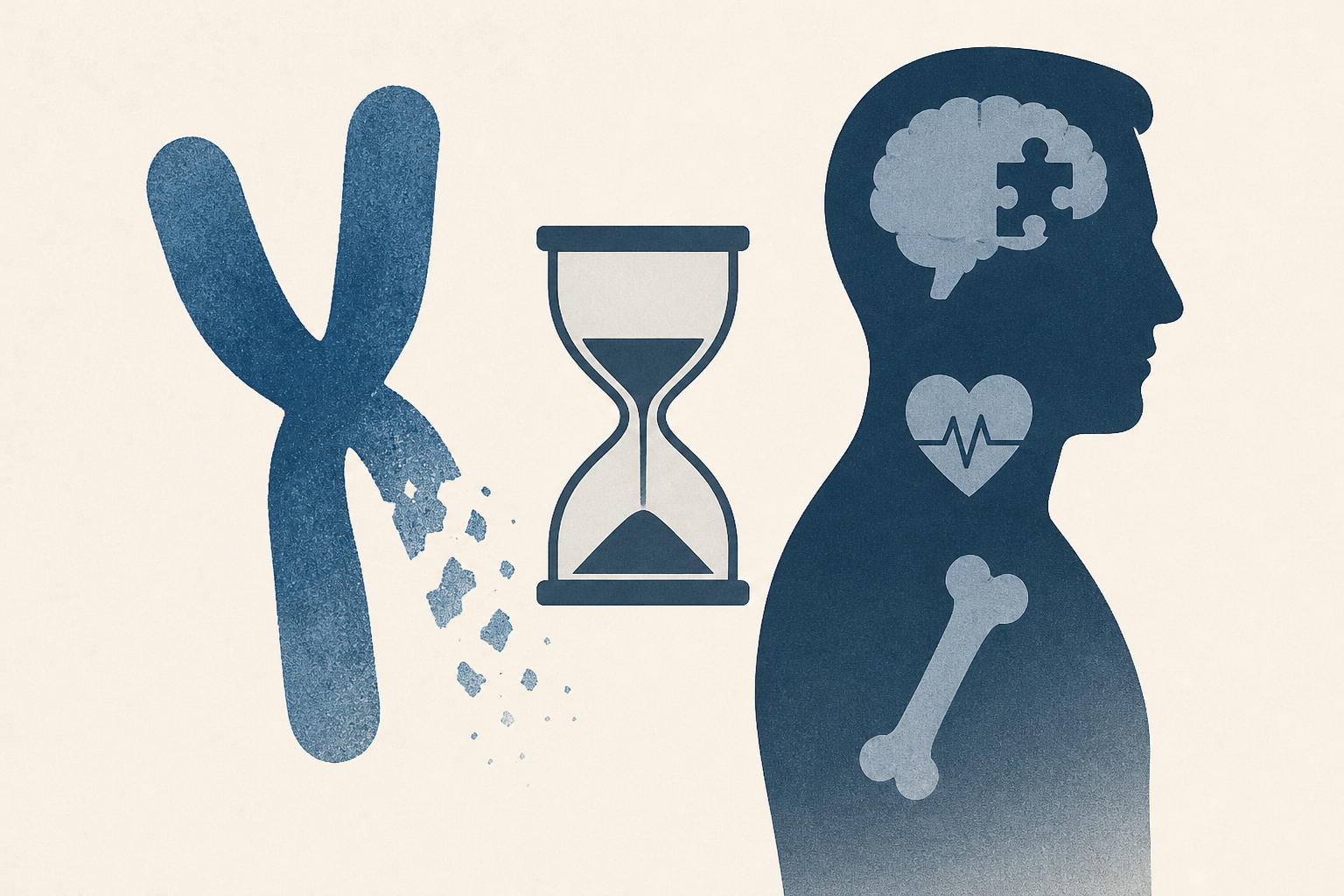
- The human Y chromosome is gradually shrinking, with some geneticists predicting it may disappear entirely in the next 5 million years, but a more immediate concern is the loss of the Y chromosome in certain cells of aging men, which is linked to serious health issues.
- Studies show that a significant percentage of older men lose the Y chromosome in their blood and immune cells, with this loss associated with increased risks of cancer, kidney disease, heart disease, and Alzheimer's, challenging the previous belief that Y loss was a benign aging marker.
- Research indicates that the Y chromosome plays a broader role in cellular functions and immune system activity than previously understood, with loss of the Y linked to reduced immune effectiveness against cancer and higher mortality rates in elderly men.
- Some evolutionary biologists argue that essential genes on the Y chromosome are unlikely to be lost due to strong selective pressure, while others point to examples in other mammals where sex-determining genes have relocated to different chromosomes, suggesting the Y chromosome could eventually become obsolete.
- Although the Y chromosome now retains only about 3 percent of its original genes, ongoing genomic research may reveal crucial insights into male health, disease mechanisms, and human evolutionary history.


