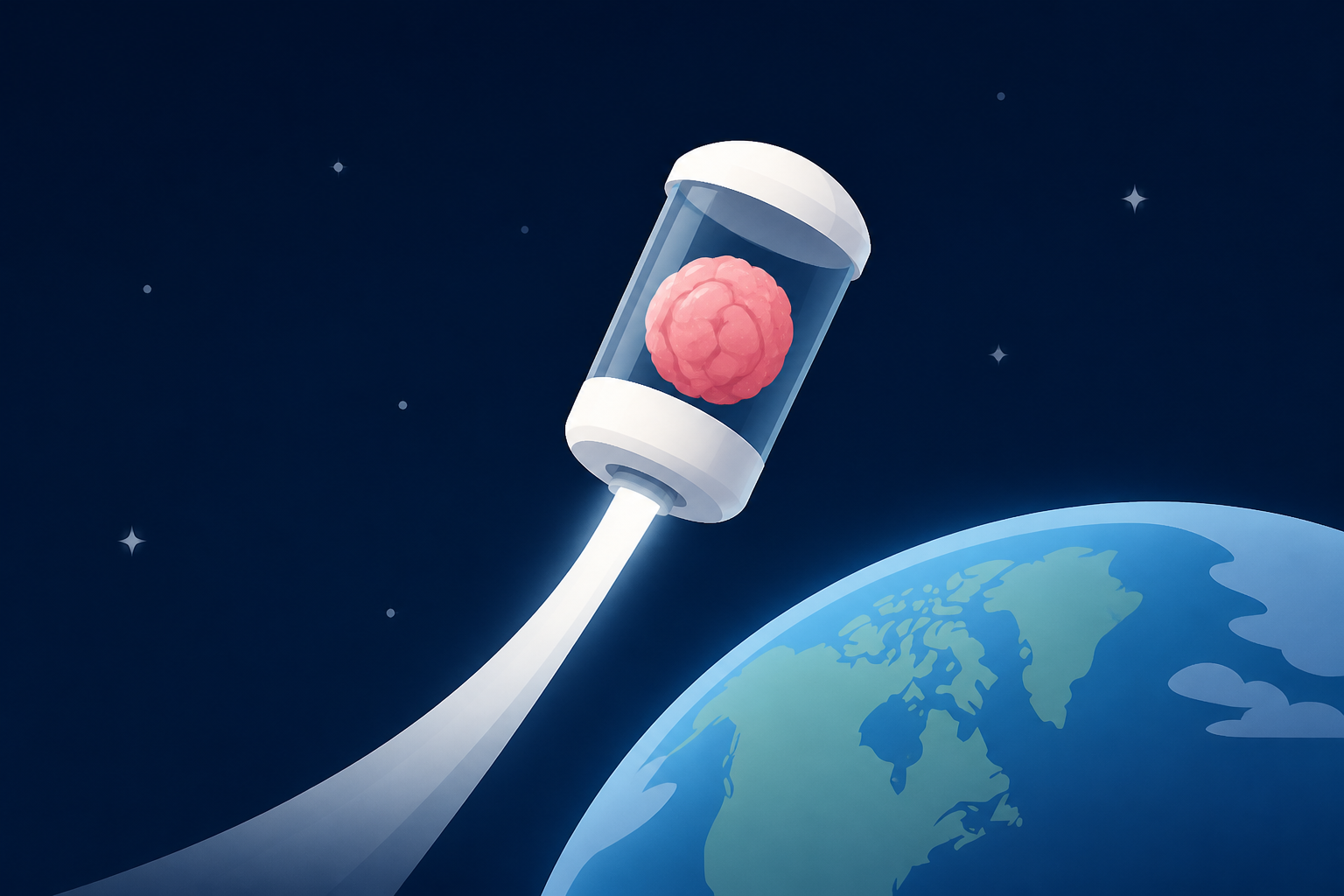
AI Image
Mini organs launching to space may help future astronauts and humans on Earth stay healthy
ABC News - Breaking News, Latest News and Videos • • general
Key Points:
- Miniature organs, including hearts and brains, have been sent to the International Space Station (ISS) for the first time to study the effects of spaceflight on organ function and accelerated aging.
- The organs will be exposed to space conditions such as microgravity and increased radiation, which astronauts face during long-duration missions and which accelerate aging by impacting multiple body systems.
- Developed by Space Tango and researchers from Mount Sinai and NASA, these mini organs are housed in a CubeLab, a miniaturized automated lab simulating the human body environment, allowing detailed monitoring and testing.
- This research aims to better understand aging and diseases like Parkinson's and Alzheimer's, with potential applications both for space travelers and medical treatments on Earth.
- NASA views this experiment as foundational for future deep space missions, including planned moon bases and potential Mars exploration, leveraging advanced biological assessments not possible during earlier space programs.


