AI Generated Image
Mobility tests can tell doctors a lot about how you’re aging, but there are many other factors
VINnews • • health
Key Points:
- Physical mobility tests like hand grip strength, balance, and sit-to-stand are useful indicators of stamina, strength, and fall risk in older adults but are not definitive predictors of longevity.
- Various tests, including the CDC’s 30-second chair-stand, the Timed Up and Go (TUG), and the Short Physical Performance Battery, help doctors identify specific physical weaknesses and assess overall frailty and mortality risk.
- These tests serve as screening tools rather than full diagnostic measures, and results should be interpreted alongside other health factors such as cognition, cardiovascular health, and sensory abilities.
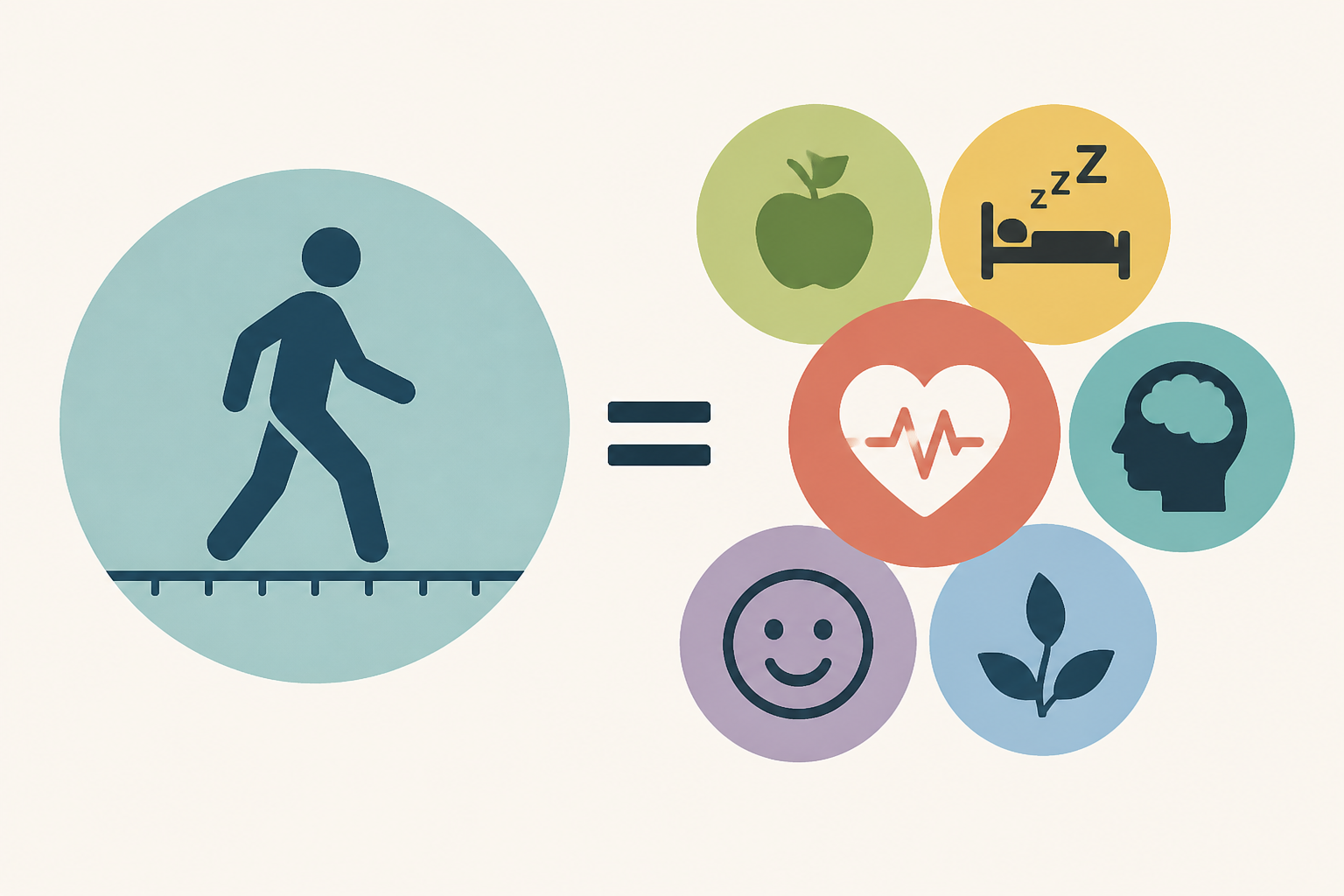
- Experts emphasize maintaining overall health through balanced exercise, nutrition, stress management, and sleep rather than training solely to improve test scores.
- Individuals with poor test results or recent falls are encouraged to consult healthcare providers for appropriate interventions like physical therapy or assistive devices, as many falls go unreported despite their serious implications.


