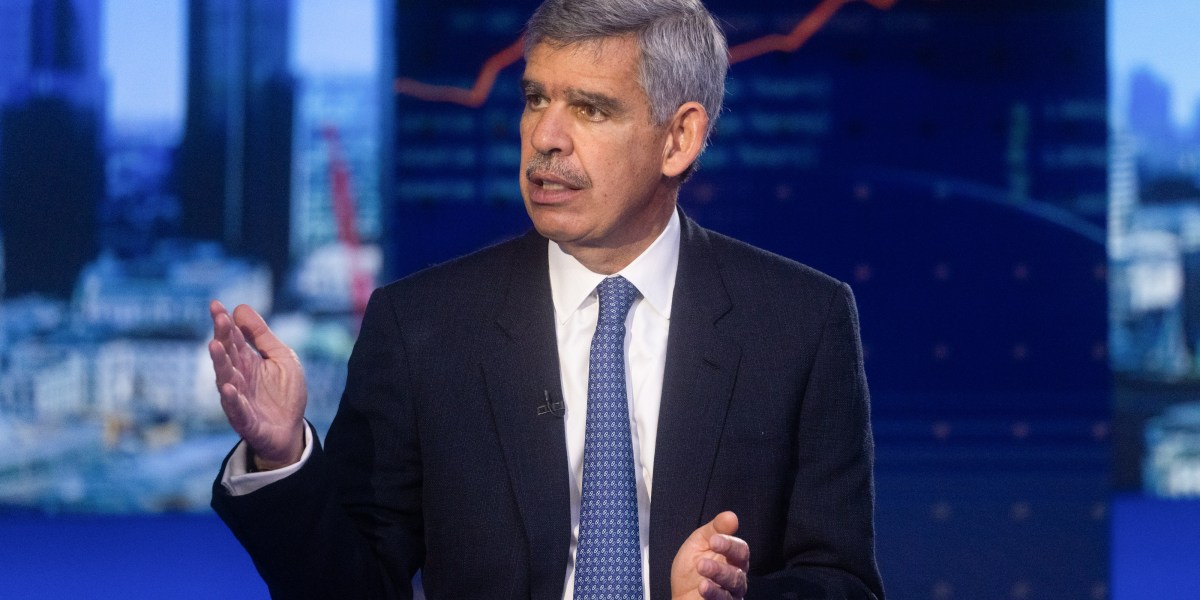
Mohammed El-Erian: Global recession could happen within a month if Strait of Hormuz stays closed
Fortune • • business
Key Points:
- The Strait of Hormuz remains closed with no quick resolution in sight, prolonging the conflict between Iran, the U.S., and Israel into its third month and disrupting vital Middle East oil supplies.
- Investors are anticipating a prolonged conflict, as indicated by rising longer-dated oil futures, while consumers in Europe and Asia face shortages and panic buying, including toilet paper hoarding in Japan.
- Europe is particularly vulnerable, with aviation fuel reserves reportedly lasting only six weeks, whereas the U.S. benefits relatively due to its energy independence and agile economy.
- Despite U.S. energy independence, economic growth is fragile, marked by increasing unemployment, falling labor participation, and a widening income gap, with stimulus effects from recent legislation being offset by rising oil prices.
- Economists warn that even if the conflict ends soon, the economic fallout will prevent GDP growth or job creation in the U.S. this year, with recession risks intensifying amid rising unemployment.


