'More Neanderthal than human': How DNA from our long-lost ancestors affects our health today
Live Science••general
Key Points:
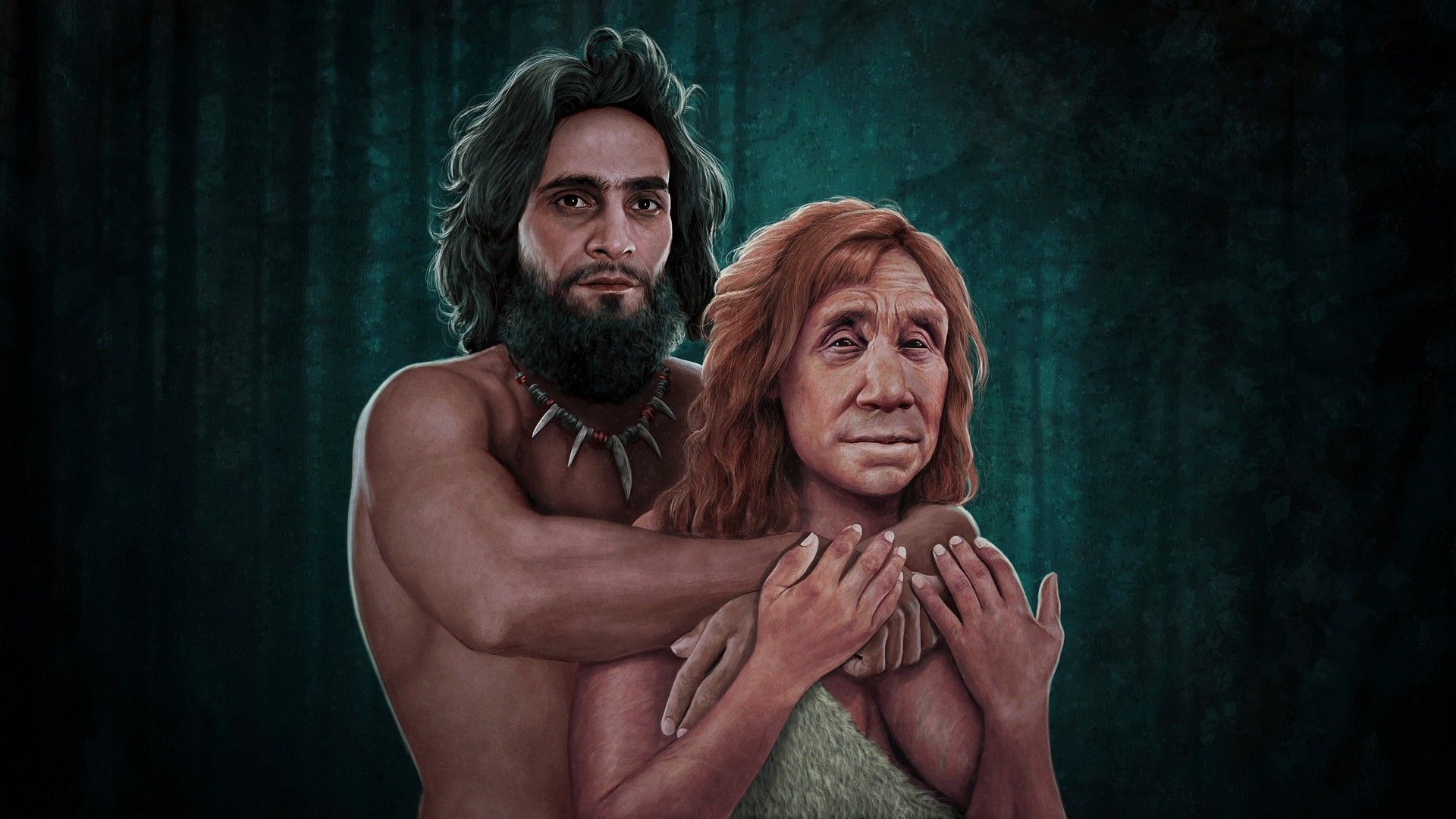
- Modern humans first encountered and interbred with Neanderthals tens of thousands of years ago after migrating out of Africa into Eurasia, resulting in Neanderthal DNA persisting in the genomes of billions of people today, especially outside Africa.
- Neanderthal genetic contributions have influenced various traits in modern humans, including skin color, facial features adapted to cold climates, and circadian rhythms, which helped early humans adapt to new environments and seasonal light variations.
- Many Neanderthal genes that persist today are linked to immune system functions, providing ancient humans with enhanced defenses against Eurasian pathogens, though some of these genes may also increase susceptibility to allergies, autoimmune diseases, and certain mood disorders.
- While some Neanderthal DNA fragments have been eliminated