AI Image
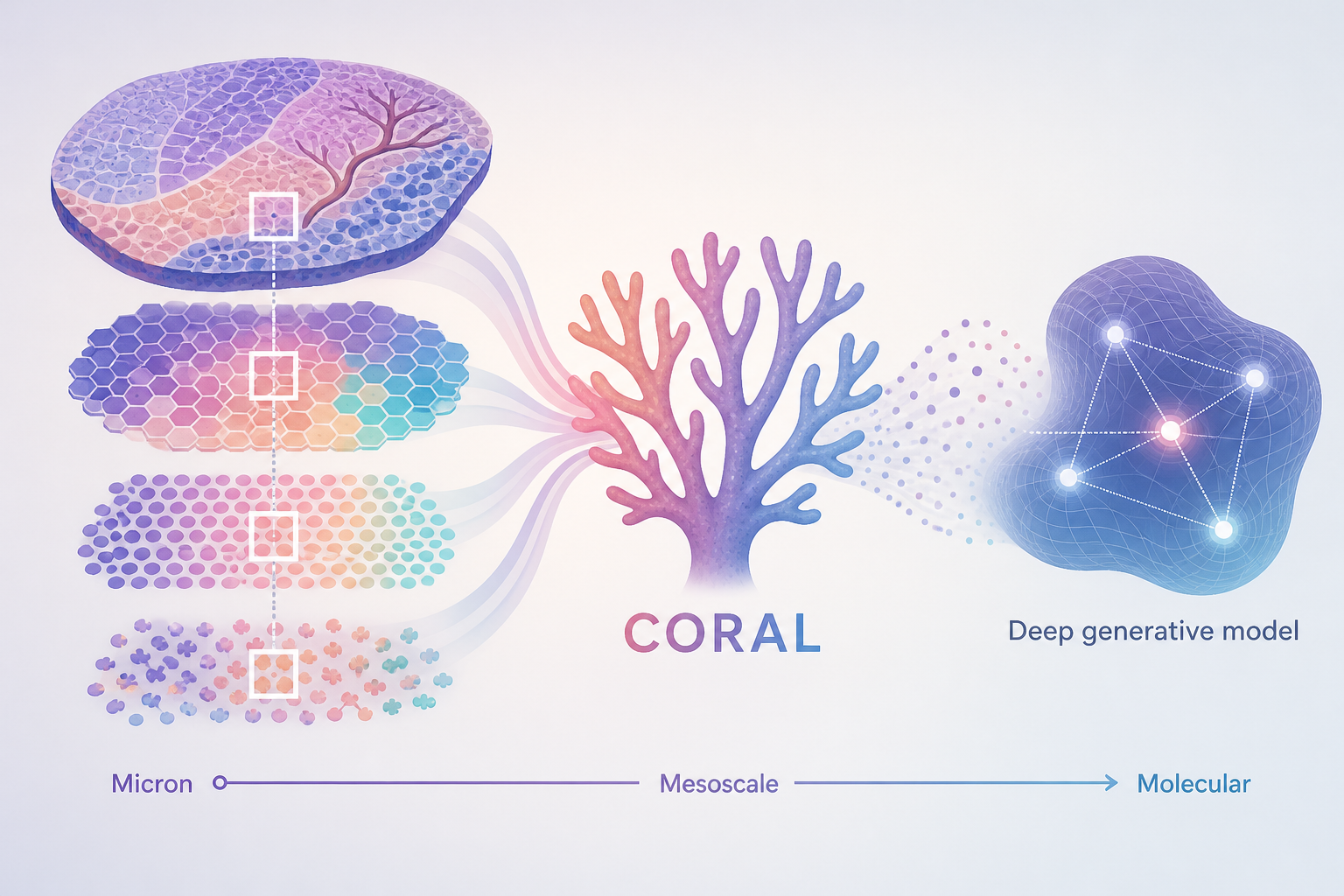
Multiscale multimodal integration of spatial omics through a deep generative model with CORAL
Nature • • science
Key Points:
- Spatial omics technologies, including spatial transcriptomics and multi-omics integration, have revolutionized the study of tissue complexity and disease mechanisms by enabling high-resolution mapping of molecular and cellular environments in situ (Bressan et al., 2023; Lewis et al., 2021; Marx, 2021).
- Recent advances in computational tools and deep learning models, such as Starfysh, SpatialGlue, and SpatialScope, facilitate the integration and analysis of spatial multi-omic data, improving the understanding of tumor microenvironments and immune interactions in cancers like hepatocellular carcinoma and glioblastoma (He et al., 2025; Long et al., 2024; Wan et al., 2023).
- Spatial multi-omics has uncovered critical insights into cancer progression, immune evasion, and therapeutic resistance by mapping cell-specific metabolic remodeling, immune cell niches, and signaling pathways, highlighting potential targets for immunotherapy and precision medicine (Sun et al., 2023; Lemaitre et al., 2024; Wu et al., 2025).
- The integration of multi-modal single-cell data with spatial context enables comprehensive atlases of complex tissues, such as the mouse brain and human myocardial infarction sites, advancing the understanding of cellular heterogeneity and tissue organization in health and disease (Zhang et al., 2023; Kuppe et al., 2022).
- Methodological challenges remain in modeling temporal and spatial patterns from multimodal data, but novel statistical frameworks like MOFA+ and MEFISTO are addressing these issues, promoting scalable and interpretable analyses for biomedical research (Argelaguet et al., 2020; Velten et al., 2022).


