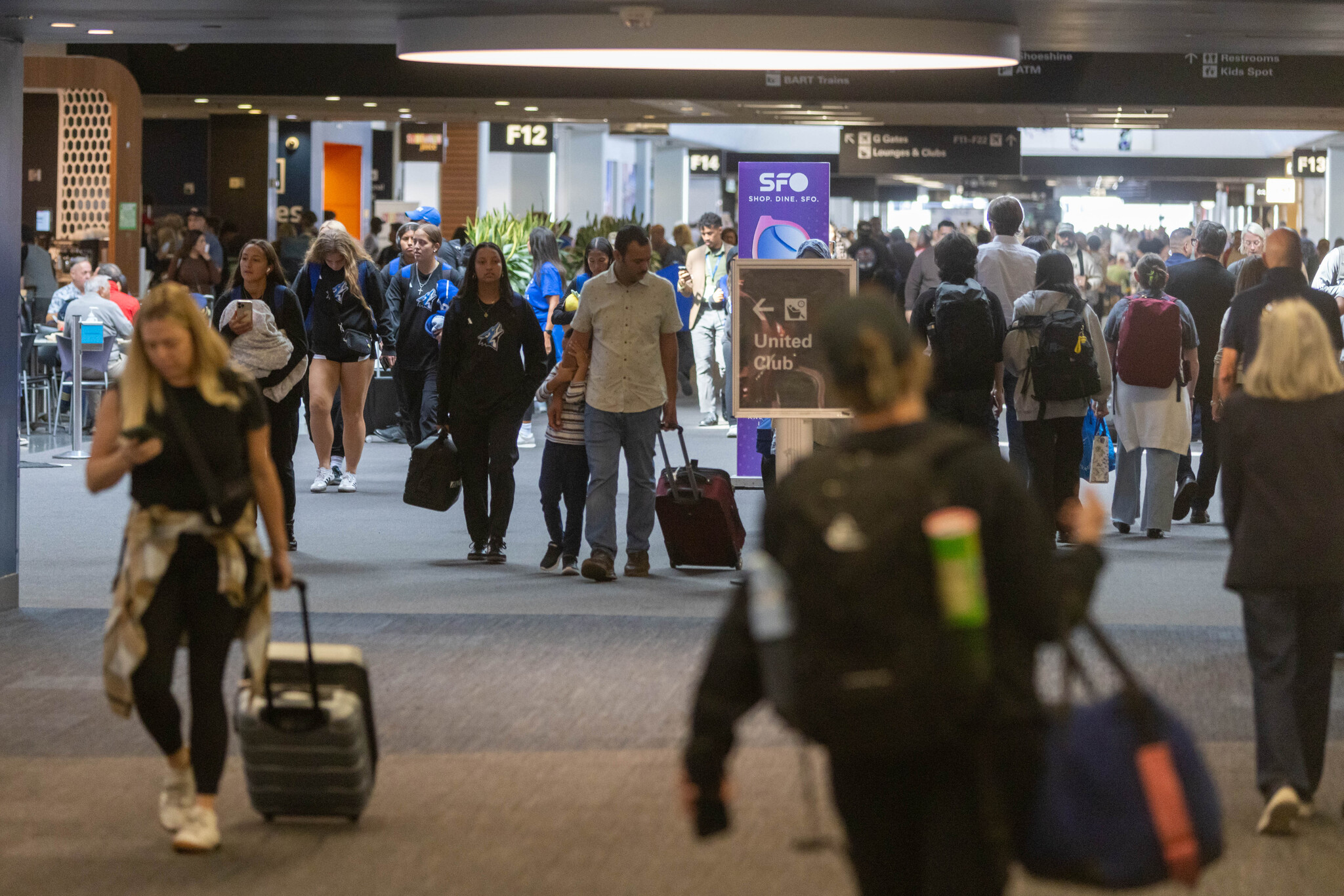
Mutated viral variant found in US for first time in SFO traveler
SFGATE • • general
Key Points:
- The COVID-19 BA.3.2 variant, first detected in the U.S. in a traveler at San Francisco International Airport (SFO) in June 2025, is spreading across 25 states and 23 countries, with evidence found in wastewater samples including in California.
- This mutated strain has genetic changes in the spike protein that may help it evade immune responses from previous infections or vaccinations, potentially reducing protection.
- Experts caution that while BA.3.2 is substantially different from earlier strains, it currently appears less effective at infecting lung cells in lab tests, but its real-world impact on transmission and vaccine effectiveness remains uncertain.
- Continued genomic surveillance is emphasized by the CDC to monitor the evolution of the virus and guide potential updates to vaccines if the variant spreads widely.
- Despite low current viral levels in the Bay Area, infectious disease specialists warn of a possible spring surge, noting that immune escape mutations may reduce antibody effectiveness, though vaccines are still expected to protect against severe disease through T and B cell responses.


.jpg%3Fwidth%3D1200%26height%3D630%26fit%3Dcrop%26enable%3Dupscale%26auto%3Dwebp?format=webp&w=120&h=80)


