AI Image
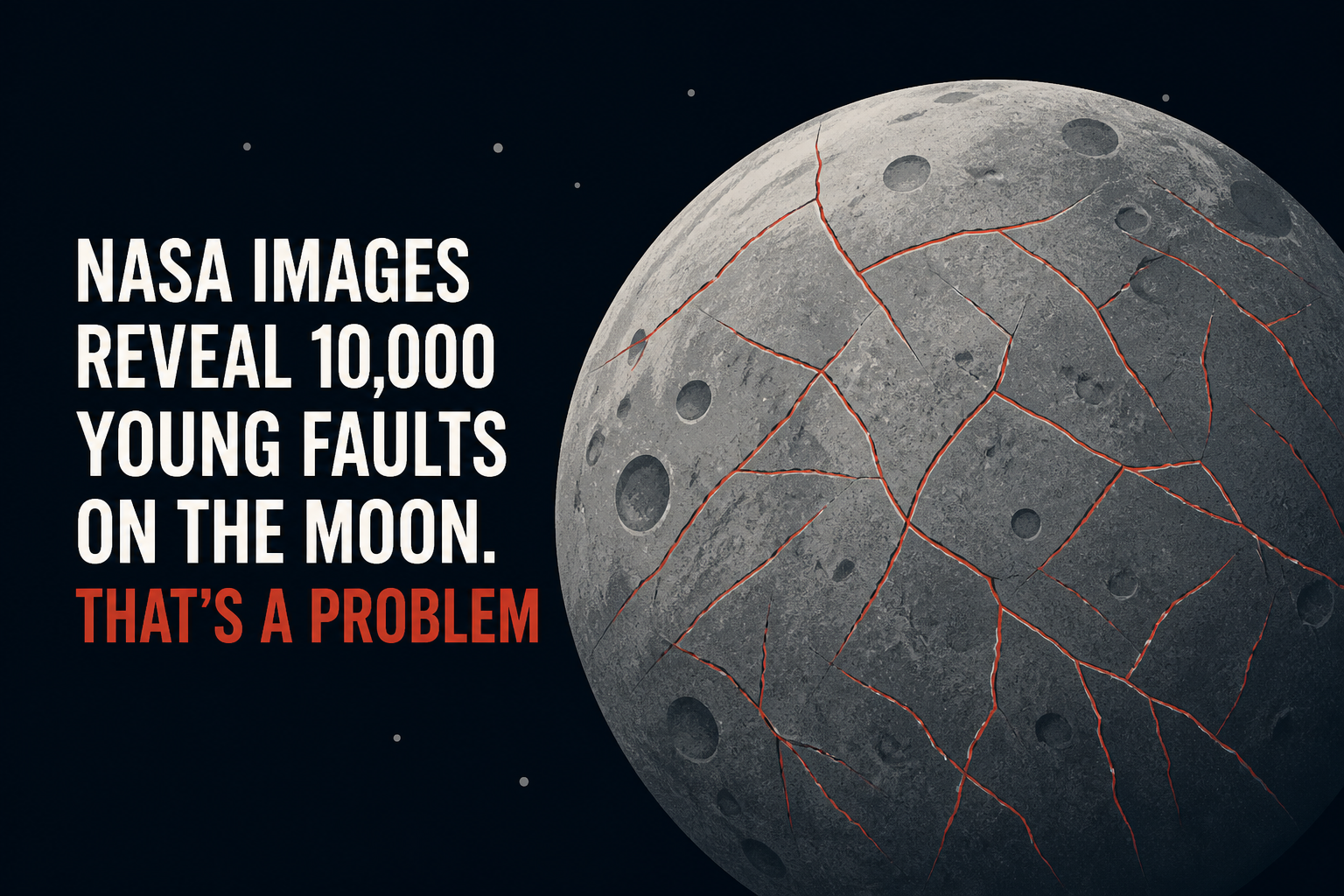
NASA Images Reveal 10,000 Young Faults on the Moon. That’s a Problem
Gizmodo • • general
Key Points:
- Scientists have identified over 10,000 young active faults on the lunar surface using NASA’s Lunar Reconnaissance Orbiter Camera images, indicating the Moon has shrunk by about 148 feet (45 meters) in the past 400 million years due to contraction.
- Unlike Earth’s tectonic plates, the Moon has a single, unbroken lithospheric shell, meaning moonquakes and new fault formations can occur anywhere, complicating predictions and posing potential risks for lunar missions.
- Previous studies linked these lunar faults to ongoing moonquakes, raising concerns for NASA’s Artemis missions, as several proposed landing sites are near moonquake epicenter candidates, increasing risks such as landslides.
- The Moon’s contraction and fault activity likely began around 1.1 billion years ago, with the radius shrinking approximately 2 to 4 inches (6 to 11 centimeters) per million years, and fault growth expected to continue as the lunar interior cools.
- Regions with a thicker lunar crust appear to have fewer faults and may offer more stable landing sites, providing valuable guidance for the safety of future lunar exploration missions like Artemis.


