AI Generated Image
NASA’s most powerful X-ray telescope reveals Milky Way may stretch farther than previously known
New York Post • • science
Key Points:
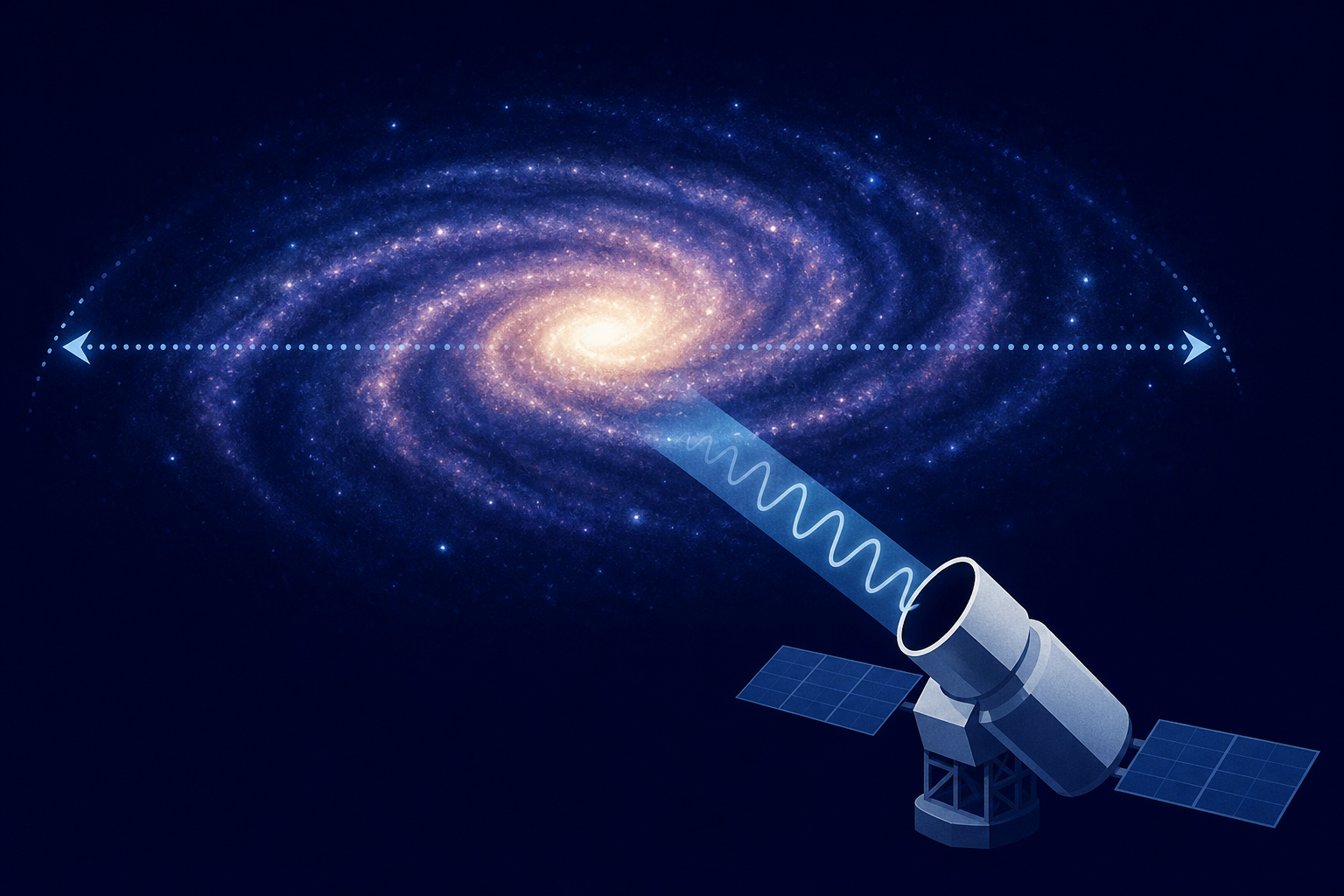
- Astronomers have discovered that the spiral arms of the Milky Way may extend further into space than previously thought, using precise distance measurements of dust clouds.
- The study utilized data from NASA’s Chandra X-ray telescope and the European Space Agency’s XMM-Newton, analyzing X-ray rings created when gamma-ray bursts from distant galaxies bounced off dust clouds.
- This geometric method offers more accurate distance measurements to the Milky Way’s spiral arms than traditional approaches that rely on assumptions about the galaxy’s rotation.
- The most distant dust cloud measured in the spiral arms is about 3,500 light-years wide, which could lead to revisions in estimates of the galaxy’s mass and structure.
- The technique is limited by the rarity of suitable gamma-ray bursts, with only a few detected in the past 25 years, but researchers plan to continue searching for more opportunities to refine their measurements.


