AI Generated Image
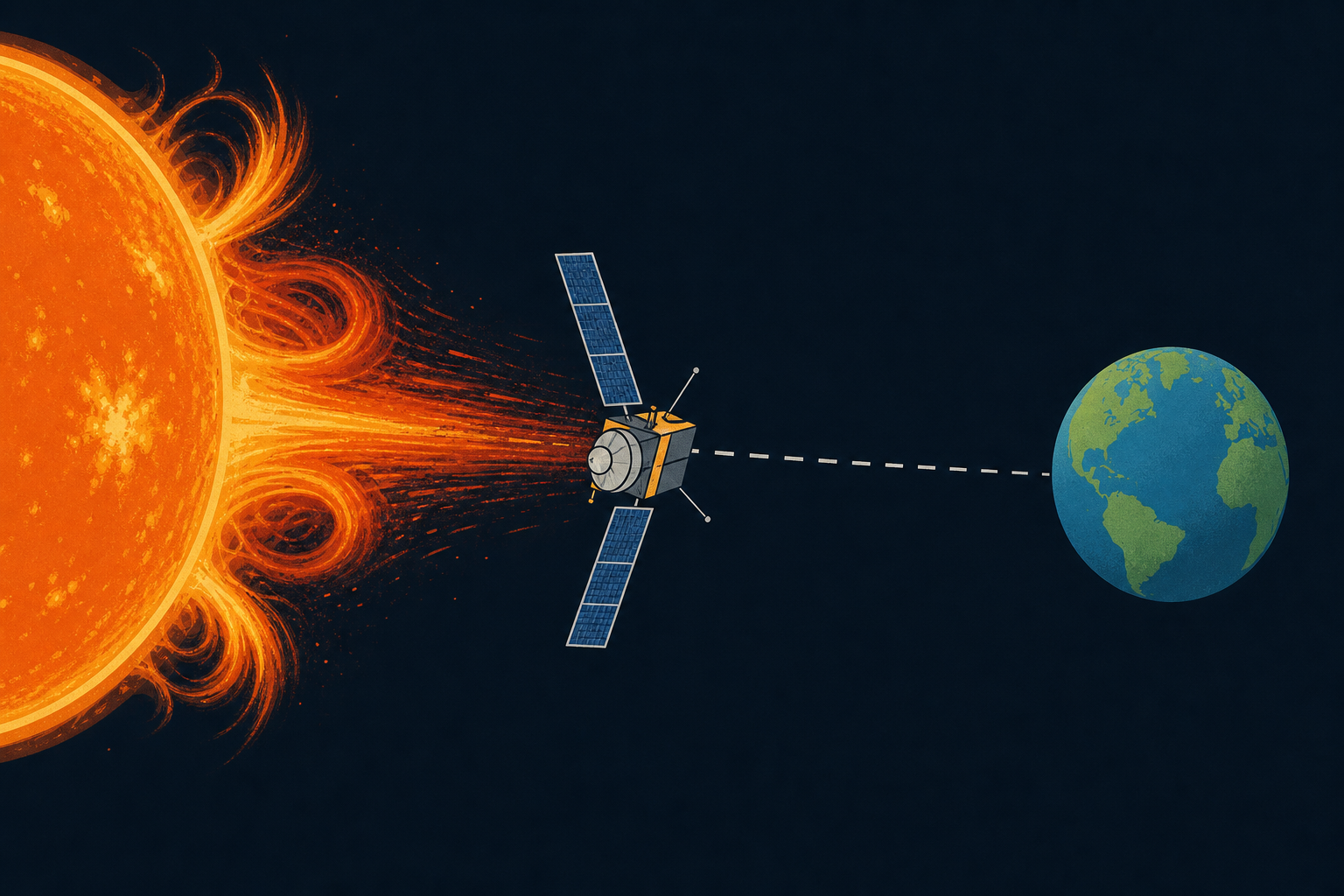
NASA's STEREO-A spacecraft happened to be sitting in the path of the July 2012 Carrington-class storm and took the full hit instead of Earth — the only reason we have detailed measurements of a blow w
Space Daily • • general
Key Points:
- On July 23, 2012, NASA’s STEREO-A spacecraft was directly hit by a Carrington-class coronal mass ejection (CME), providing the only detailed in-situ measurements ever recorded from inside an extreme solar storm.
- The CME event was exceptionally fast, traveling around 3,000 kilometers per second, and its magnetic field strength and plasma characteristics exceeded those of any previously observed storm near Earth’s orbit.
- Earth narrowly avoided the storm because the active solar region had rotated away from our planet, while STEREO-A’s unique orbital position placed it directly in the CME’s path, enabling unprecedented data collection.
- Analysis of the STEREO-A data suggests that if the storm had hit Earth, it could have caused widespread damage to high-voltage transformers across North America and Europe, with estimated economic impacts of $1 to $2 trillion and a recovery time of up to a decade.
- STEREO-A continues to operate nearly two decades after launch, providing critical observations of solar activity from vantage points unavailable to Earth-orbiting spacecraft, and its 2012 measurements serve as a vital benchmark for understanding and preparing for future extreme solar storms.


