NCAA pushes new five years of eligibility, age-based rules, but it won't impact current seniors
WRAL • • sports
Key Points:
- The NCAA is proposing new eligibility rules allowing college athletes five seasons of play within five years of high school graduation or turning 19, aiming for uniformity and to address ongoing litigation issues.
- These rules would take effect for athletes with remaining eligibility in the 2026-27 season, while current four-season-in-five-year rules remain for those whose eligibility expires sooner.
- The new model would eliminate redshirt seasons but include exceptions for pregnancy, military service, and religious missions, following an executive order from President Donald Trump.
- Recent legal battles have seen some athletes granted extended eligibility beyond traditional limits, prompting the NCAA to seek clearer, consistent standards to reduce litigation.
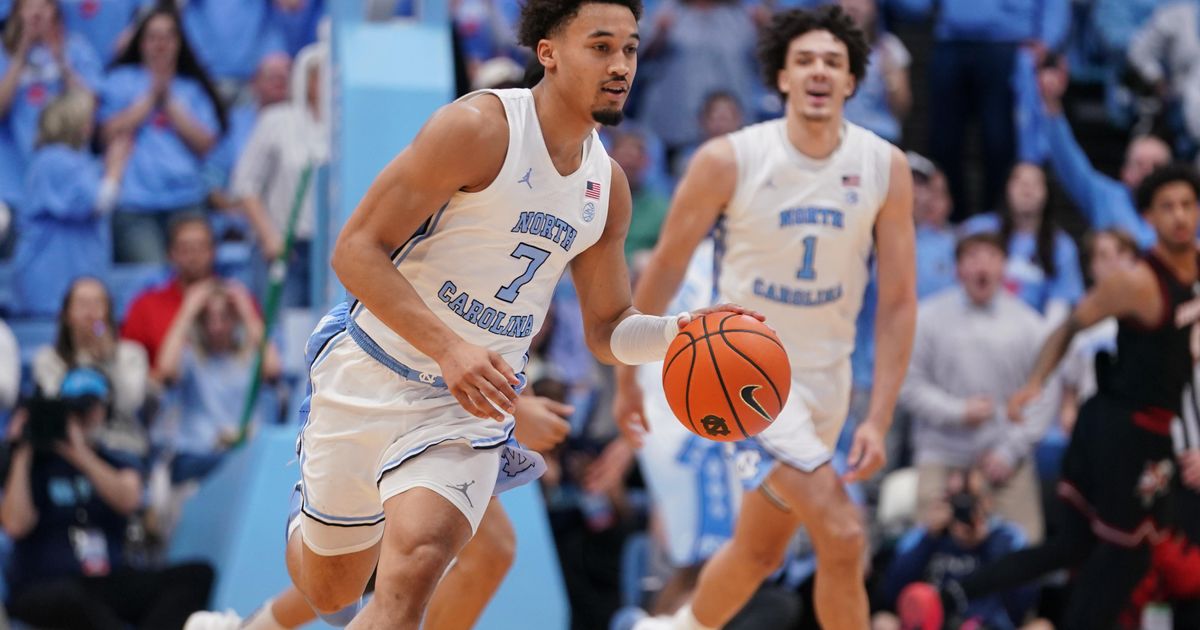
- Players who have already completed eligibility under previous rules, like UNC’s Seth Trimble, would not be affected, though the NCAA may still face legal challenges from players excluded under the new framework.


