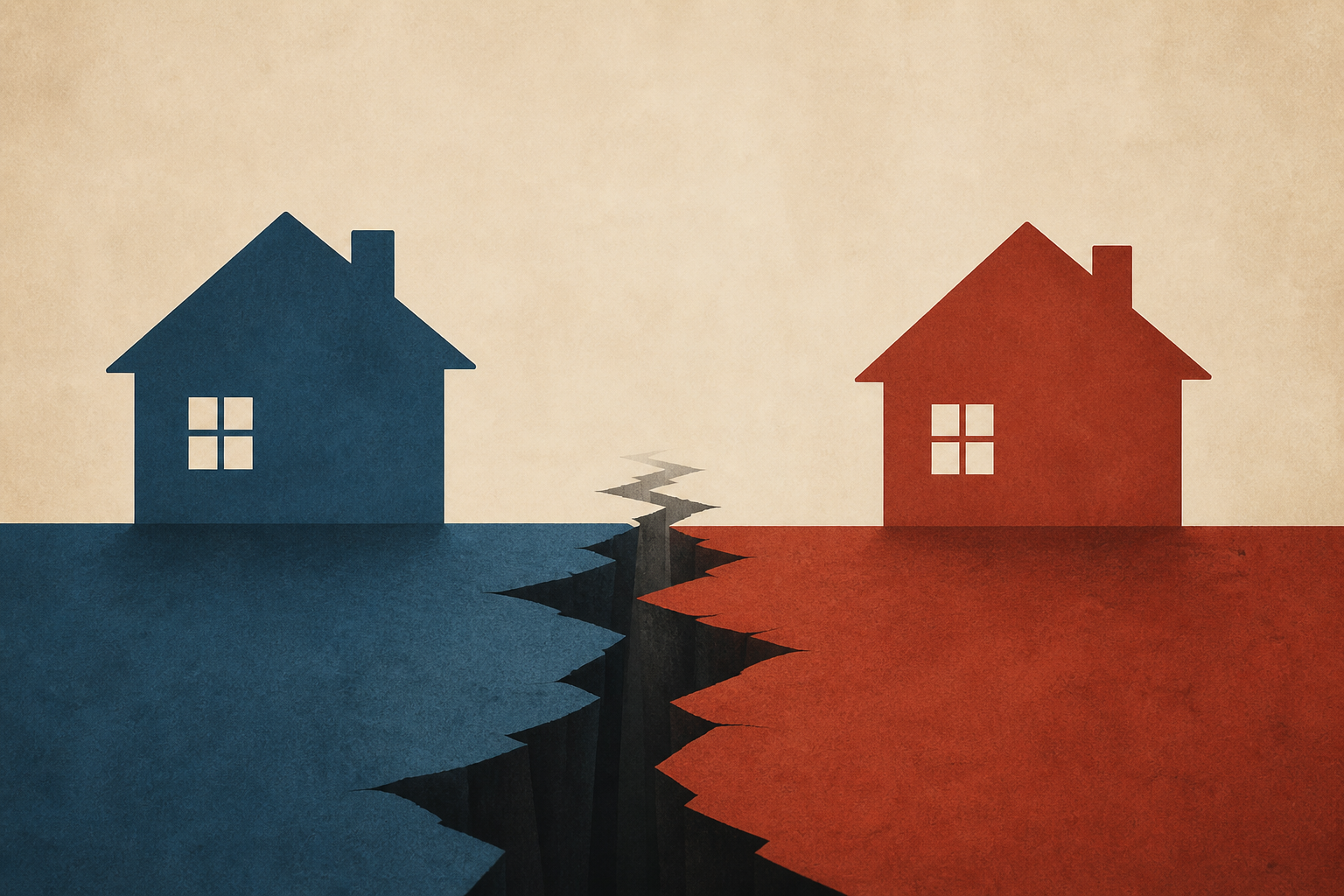
AI Generated Image
Neighbor turned on neighbor after Charlie Kirk's killing. Is the divide here to stay?
NPR • • nation
Key Points:
- A year after conservative activist Charlie Kirk was assassinated at Utah Valley University, the campus courtyard where the incident occurred remains largely deserted due to the association with the violence and ensuing social tensions.
- Kirk's death triggered a nationwide surge in intimidation, harassment, and doxing, expanding the targeting of individuals beyond high-profile social media accounts to include neighbors and personal networks, according to security experts.
- Websites like "Expose Charlie's Murderers" emerged immediately after the assassination, encouraging the public to identify and report Kirk's critics, leading to widespread doxing and calls to contact their employers, actions seen by some as incitement to further harassment.
- Experts emphasize that doxing, regardless of political motivation, causes lasting harm including job loss, threats, and forced relocation, and warn that the normalization of such tactics risks deepening political polarization and violence.
- While legal pushback and internet meme culture eventually diffused the initial doxing frenzy, the cultural shift toward public exposure of political opponents' personal information remains a troubling and unresolved challenge in American political discourse.


